
Vacation home exterior paint maintenance can be easy to overlook when you only visit the property during part of the year. A house may look fine from the driveway while peeling edges, failed caulk, soft trim, or moisture stains are developing in less visible areas.
A simple inspection plan helps seasonal homeowners catch coating problems before exposed siding and trim need larger repairs. This guide explains what to check, when to check it, and how to manage exterior painting when you are not at the property full time.
Key Takeaways:
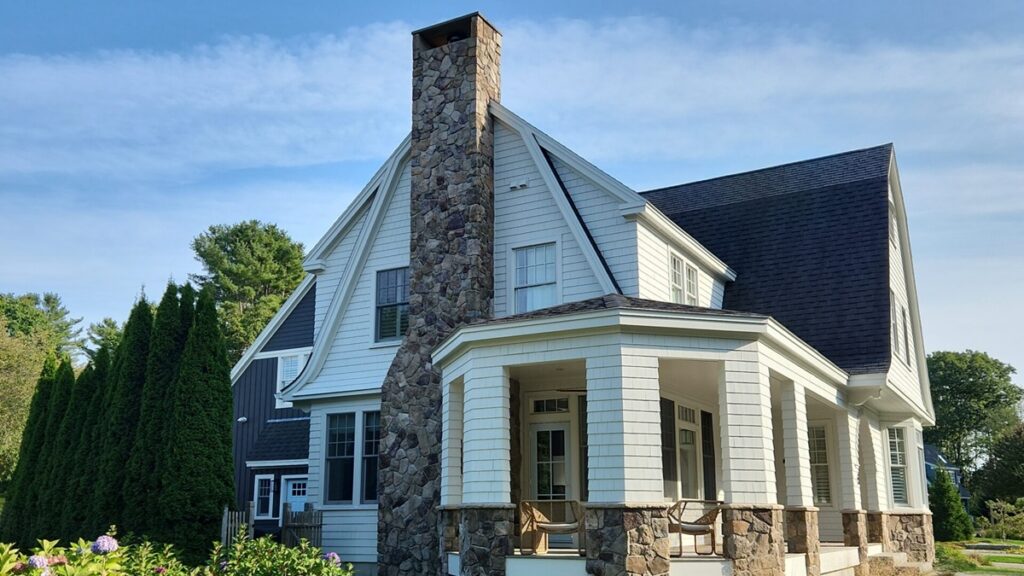
Why Seasonal Homes Need a Maintenance Plan
A primary home gives you frequent chances to notice changes. At a vacation property, a loose paint edge or open trim joint can sit through months of rain, snow, and changing temperatures before anyone sees it.
The goal is not to repaint on a fixed calendar without checking the surface. It is to inspect the home often enough to find weak areas while they are still limited.
Plan one detailed inspection after winter and another before the property is closed for the season. A local caretaker or contractor can complete the walkthrough when the owner is away.
Keep the inspection notes, dated photos, previous paint colors, product names, and project invoices in one place. That history helps the next contractor understand what was applied and when.
How Maine Weather Affects Exterior Paint
Exterior coatings in Southern Maine are exposed to rain, snow, direct sun, wind, and repeated changes between freezing and thawing conditions. Homes near the coast may also receive salt spray and wind-driven moisture.
Wood siding and trim move as they gain and lose moisture. That movement can place stress on older or brittle paint films.
Moisture is one of the most common causes of early exterior paint failure on wood. Purdue Extension’s guide to how moisture causes exterior paint failure explains that rain, dew, roof runoff, failed flashing, and moisture moving from inside a home can contribute to cracking, peeling, discoloration, and early coating failure.
Paint can slow moisture from reaching the wood, but it cannot correct leaking gutters, failed flashing, damaged roofing, or open joints. Those sources should be repaired before the surface is repainted.
Exterior Warning Signs to Check
Paint usually shows signs of wear before large sections release from the surface. Walk around the property slowly and check areas that receive heavy weather exposure.
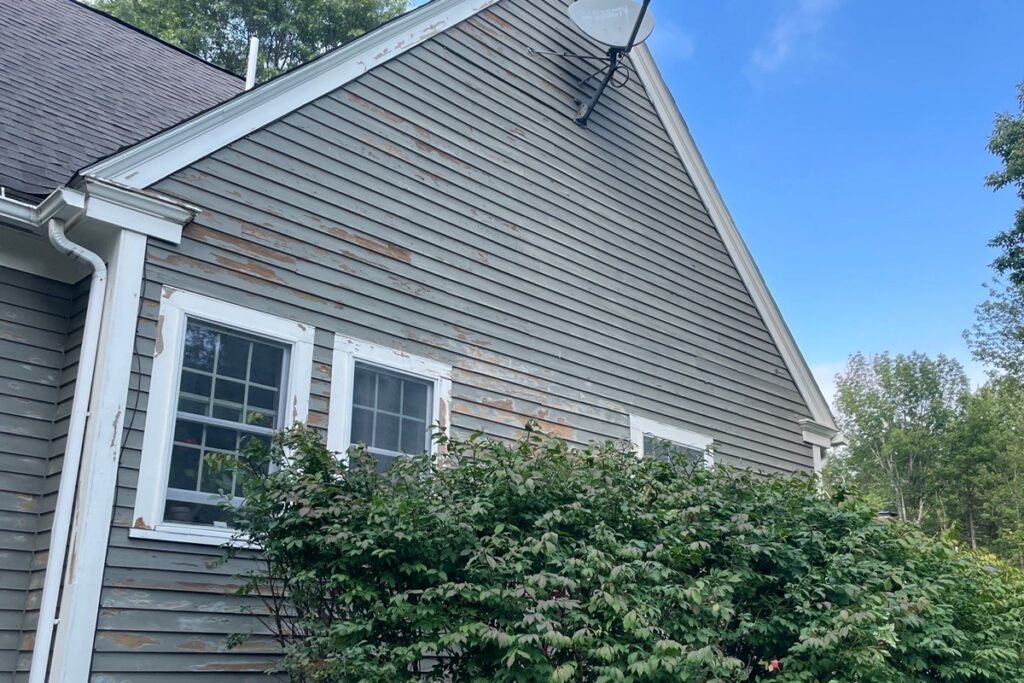
- Peeling or lifting edges: Loose coating may allow water to reach the material below it. Check the edges of siding boards, trim, windows, doors, and rooflines.
- Blisters or bubbles: Raised areas can come from moisture, heat, poor surface preparation, or coating over a damp surface. The cause should be reviewed before the bubble is scraped and repainted.
- Cracks and flakes: Brittle paint may no longer move with the surface. Cracks can expose bare wood and allow more moisture into the material.
- Chalky residue: A powdery surface can form as an older coating weathers. Chalking does not always mean immediate failure, but it affects cleaning, preparation, and adhesion.
- Dark streaks or spotting: Marks may come from mildew, dirt, water runoff, rust, or another source. The pattern and surface condition should be checked before choosing a cleaning or repair method.
- Soft or damaged wood: Trim or siding that feels soft, swollen, split, or crumbly may need repair or replacement before coating.
This guide to why exterior paint fails early covers several causes behind peeling, blistering, and poor adhesion.
Areas That Deserve Extra Attention
Some parts of a home hold water longer or receive more direct weather exposure. These areas often show problems before broad siding surfaces do.
Use binoculars or zoomed photos to review upper areas from the ground. Do not climb onto roofs or high ladders without the right training and equipment.
A spring walkthrough should also check for storm damage, blocked gutters, loose flashing, and open joints. These problems may need another trade before painting begins.
When a Small Failure Needs More Than a Touch-Up
Touch-ups can help when the surrounding coating is sound, the damage is limited, and the source of the failure has been corrected. They are less useful when peeling, cracking, or chalking covers a broad area.
A contractor should check the adhesion of the existing coating and the condition of the material below it. Applying new paint over loose layers only covers the problem for a short time.
Widespread failure may require washing, scraping, sanding, spot priming, caulking, and a full finish coat. Damaged wood may need repair before surface preparation begins.
If several siding boards are soft, split, or badly damaged, compare the repair and coating plan with replacement. This article about painting or replacing damaged siding explains the factors that can guide that decision.
How to Plan Exterior Painting for a Vacation Home
Exterior painting in Maine is generally scheduled during the warmer part of the year when surfaces are dry and the product can be applied within its listed temperature and humidity limits.
Do not wait until the final days of a short visit to request an inspection. Contractor schedules, weather, repairs, drying time, and product requirements can all affect the start date.
A practical plan includes:
The time between full repaints depends on the siding, exposure, coating system, previous preparation, and current condition. Read about how often an exterior should be repainted before setting a maintenance calendar.
What to Ask a Contractor When You Live Out of State
Remote projects require a clear communication plan before work starts. Ask who your main contact will be and how often updates will be sent.
Useful questions include:
Cyr Painting Service states that it uses an in-house team rather than subcontractors and provides daily project updates. The company also lists a 2-year workmanship warranty and a lifetime product warranty on its current exterior service page.
Ask for these terms in the proposal for your specific project. Warranty coverage can depend on the surfaces, preparation, products, and maintenance requirements.
What Affects the Maintenance Budget
The condition of the existing paint has a large effect on labor. A surface that needs basic washing and limited scraping takes less preparation than siding with widespread peeling, failed caulk, bare wood, or damaged trim.
Access also matters. Steep grades, multiple stories, dormers, rooflines, and areas above water or decks may require added setup and safety equipment.
Other pricing factors include the siding material, home size, repairs, coating product, color change, coat count, and the amount of masking needed.
Review the factors that affect exterior painting cost before comparing proposals. A lower total may reflect a different amount of preparation or a narrower scope.
Frequently Asked Questions
How often should a vacation home exterior be inspected?
A detailed check after winter and another before closing the property for the season can help catch changes. Properties with heavy coastal exposure or known moisture problems may need more frequent checks.
Can peeling paint be touched up?
A touch-up may work when the failed area is small, the surrounding coating is sound, and the cause has been corrected. Broad peeling or poor adhesion usually needs more preparation.
Should exterior painting be completed while the owner is away?
It can be, but access, colors, scope changes, progress updates, and the final review should be agreed on first. A local contact can also help with property access and final approval.
Does new paint repair rotten wood?
No. Soft, decayed, or badly damaged wood should be repaired or replaced before painting. Coating damaged wood can hide the condition without restoring the material.
Check the Exterior Before Another Maine Winter
Vacation home exterior paint maintenance works best when the property is inspected before small failures spread. A planned walkthrough can identify peeling paint, open joints, damaged wood, and moisture paths while there is still time to prepare a repair plan.
Cyr Painting Service has served Southern Maine since 2017 and provides exterior painting in Cape Elizabeth, Yarmouth, Scarborough, Falmouth, Freeport, and nearby communities. Its current website states that projects are completed by an in-house team with daily updates.
Contact Cyr Painting Service at 207-410-4544 to schedule an exterior inspection and receive a proposal based on the condition of your vacation home.