Most homeowners never get a straight answer from professional exterior house painters about why exterior paint fails. You hire someone, the job looks great on day one, and then a year later the paint is peeling.
That is when people start searching for answers — and why exterior paint fails is one of the most common questions homeowners ask after a job falls short. It is a fair question, and it deserves a clear answer.
Paint failure is more common than it should be. Most of the time, it comes down to a handful of problems that show up again and again. This post walks through each one. Let’s take a look!
Key Takeaways:
- Surface prep is the most common cause of early paint failure.
- Moisture inside walls causes paint to fail from the inside out.
- Using the wrong paint for the surface cuts the life of any job short.
- Painting in bad weather or extreme temperatures leads to adhesion problems.
- Thin coats and skipped primer are common shortcuts that shorten results.
- Paint quality directly affects how long a job holds up.
The Real Cost When Paint Does Not Hold
Paint failure costs more than people expect.
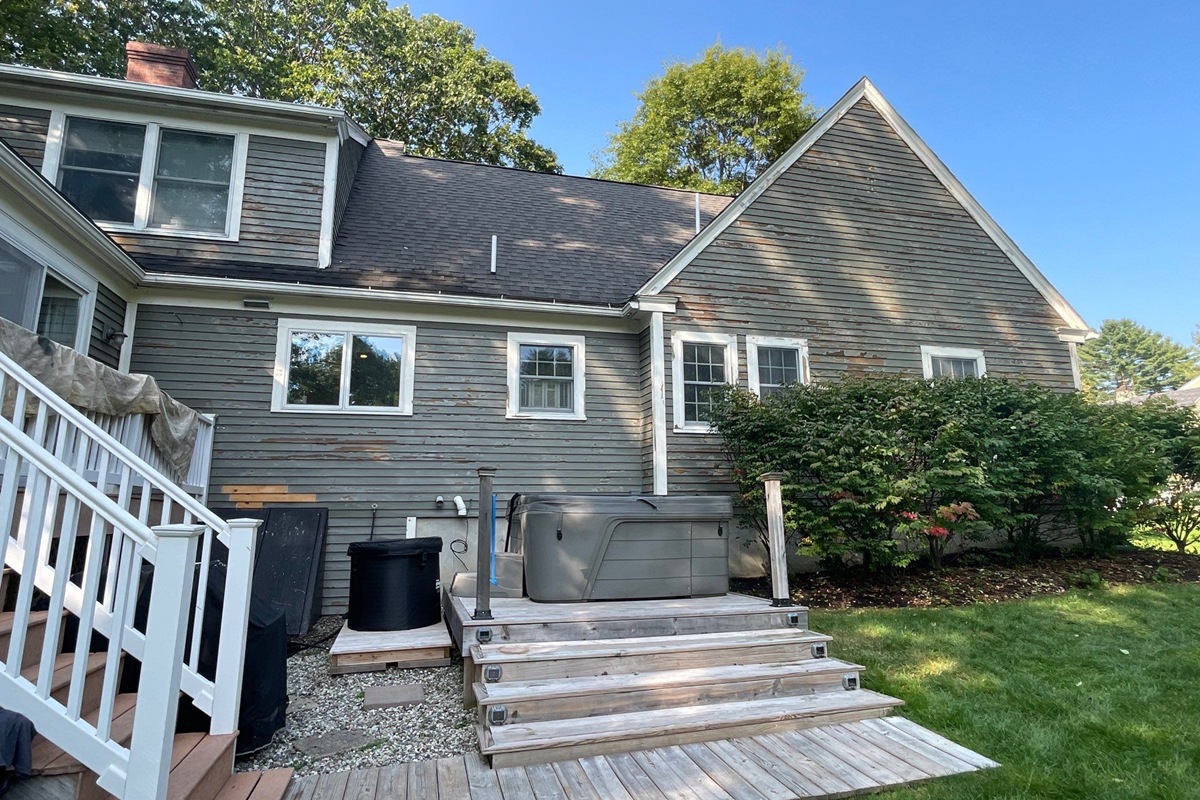
When paint peels or cracks, water gets in. Water gets into wood siding and starts rot. Rot spreads. A paint job that fails in year two can become a siding repair bill by year four.
That financial hit is hard enough. But the frustration goes deeper than money.
Homeowners who deal with early paint failure often describe the same feeling. They hired someone. They paid a fair price. They trusted the process. When the paint starts peeling anyway, the question is not just what went wrong — it is who to trust the next time around.
That is worth taking seriously. It is not just a paint problem. It is a trust problem.
Why Exterior Paint Fails — The Most Common Causes
Understanding why exterior paint fails is the first step toward making sure it does not happen again. When professional exterior house painters skip any of the steps below, the results show up within months or years. Here are the causes that show up most often.
Poor Surface Preparation
This is the number one reason why exterior paint fails.
Paint bonds to surfaces. It does not bond to dirt, chalk, mildew, or old peeling paint. If the surface is not cleaned, repaired, and primed before the new coat goes on, the paint will peel — sometimes within months.
Surface prep mistakes that come up again and again:
- Painting over chalky or dirty siding without washing first
- Skipping primer on bare wood, patches, or repairs
- Not sanding glossy surfaces before recoating
- Painting over old peeling paint instead of removing it
No paint product fixes poor surface prep. The topcoat can only hold onto what is underneath it. When surface prep is skipped or rushed, the paint job starts failing before the job is even finished.
Moisture Problems Inside the Wall
This one surprises a lot of homeowners.
Paint does not only fail because of sun or rain hitting the outside. Moisture can push outward from inside the wall — from leaky pipes, poor vapor barriers, or high indoor humidity. When that pressure builds up behind the paint, it breaks the bond. You see bubbling, blistering, and peeling that starts from the back of the surface, not the front.
Painting over a moisture problem hides it for a season. Then it comes back.
Before any exterior painting project, visible moisture issues — water stains, soft spots, areas near gutters, windows, or roof lines — need to be found and addressed. A painter who does not look for these before the job starts is skipping a step that matters.
This is one of the clearest ways to tell whether professional exterior house painters are doing the job right. They check for moisture before painting. They do not just start rolling. Moisture is a leading reason why exterior paint fails from the inside out, and skipping this check is a red flag.
The Wrong Paint for the Surface
Not all exterior paint works on all surfaces.
Wood, fiber cement, stucco, and masonry each need different formulas. Using the wrong one leads to adhesion problems and early failure — even if the application is done well. Good surface prep cannot fix a bad product choice.
A few common mismatches:
- Applying latex paint over old oil-based paint without a bonding primer causes peeling
- Using interior paint on exterior surfaces breaks down under UV and rain
- Non-breathable paint on masonry traps moisture and causes flaking
The right product for the right surface is not optional. It is baseline exterior painting practice. Professional exterior house painters know this going in. Painters who cut corners skip this step.
Painting in the Wrong Conditions
Temperature and humidity affect how paint cures. Most homeowners do not know this, and most low-bid painters do not talk about it.
Paint applied in direct heat dries too fast and does not bond right. Paint applied in cold weather does not flow or cure the way the manufacturer designed it to. High humidity interferes with drying and can cause adhesion failure down the road.
Most exterior paint manufacturers recommend applying between 50°F and 85°F with humidity below 85%. These numbers are not preferences. They are conditions the paint needs to perform the way it was built to perform.
Rushing a job to beat rain or heat — or ignoring the forecast — shortens the life of the work. This is one of the more invisible reasons why exterior paint fails, because nothing looks wrong on day one.
Thin Coats and Skipped Primer
One thin coat is not a paint job.
A standard exterior painting process includes a primer coat and two full finish coats. Primer seals the surface and gives the topcoat something to grip. Two coats of finish paint build up the thickness the paint needs to handle sun, rain, and temperature swings year after year.
Skipping primer or applying one thin coat instead of two is one of the most common ways low-bid contractors cut time and money. The job looks fine on day one. By year two, you see exactly where those shortcuts landed.
When you ask professional exterior house painters about their process and they mention primer and two coats without you having to ask, that is a good sign.
Low-Quality Paint
Paint quality varies more than the price tags suggest.
Higher-grade exterior paint contains more resin, higher pigment levels, and UV inhibitors that protect color and flexibility over time. Better paint flexes with the surface as temperatures change instead of cracking. It also holds up better against moisture and fading.
Lower-grade paint costs less upfront. It also tends to cost more over the life of the house because it needs to be replaced sooner. Over a ten-year window, the cheaper option is usually the more expensive one.
What the Warning Signs Look Like
Paint failure does not always look the same. Different patterns point to different problems.
Peeling from the top surface down usually points to surface prep problems — dirty substrate, no primer, or old failing paint underneath. Peeling or bubbling that starts from behind the surface usually means moisture is involved. Wide cracking or crazing across a large area often points to poor application conditions, low-quality paint, or both — two of the most overlooked reasons why exterior paint fails.
If you are not sure which type of failure you are looking at, a qualified painter should be able to tell you — and explain why. If they cannot, that is worth noting before you hire them.
How to Protect Yourself on the Next Job
Most paint failure is preventable. The questions you ask before hiring a painter matter as much as the painter you choose.
- Ask how they handle surface prep.
- Ask whether they use primer and what type.
- Ask how many finish coats they apply and what product line they use.
- Ask what weather conditions they will and will not paint in.
Reliable professional exterior house painters answer these questions without hesitation. They have a process, they follow it, and they can describe it clearly. The answers will tell you quickly whether you are talking to someone who does this right.
What a Paint Job That Lasts Looks Like
Exterior painting done well protects more than it decorates.
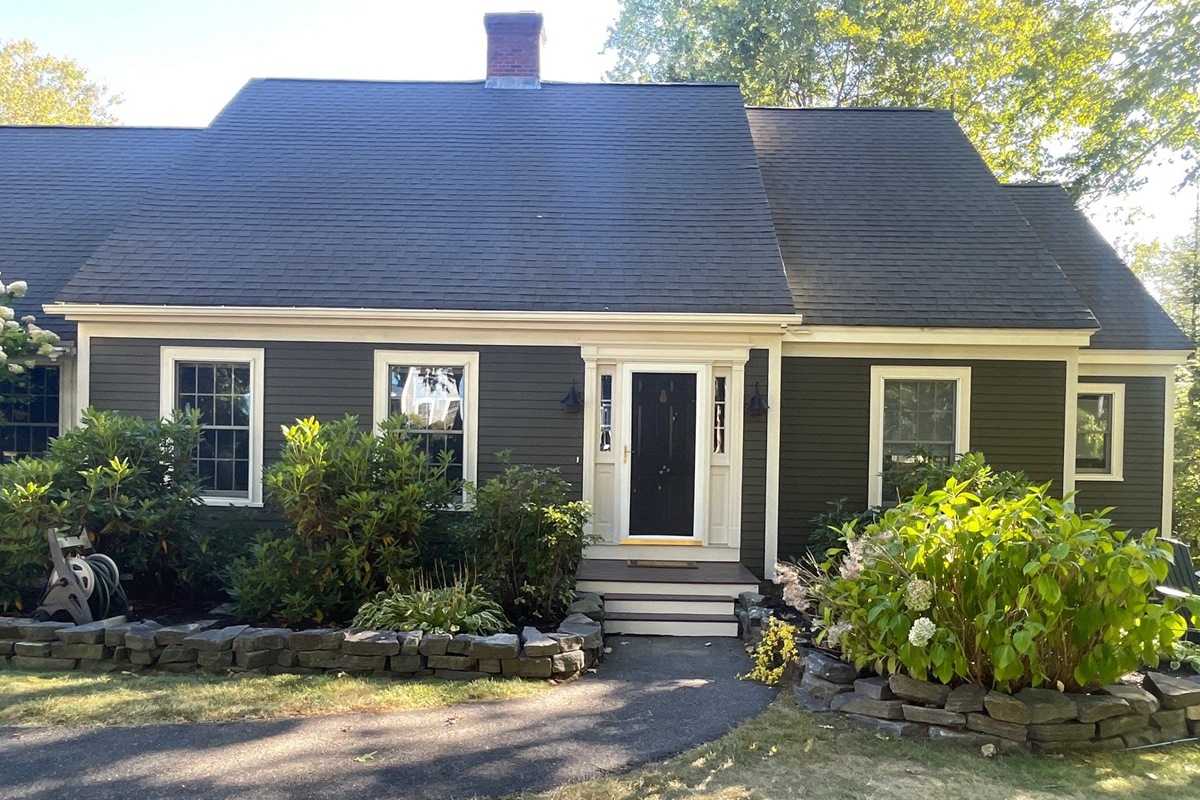
It keeps moisture out of the wall system. It prevents wood rot and siding damage. It holds color and finish for years without cracking, fading, or peeling.
That is what you are paying for when you hire someone to paint your house. Not just a fresh look — real protection for the structure underneath. A job done right means you will not be asking why exterior paint fails the next time around, and you will not be calling professional exterior house painters to redo work that should have lasted.
When the work is done correctly, you do not think about it. You just enjoy how your house looks and know it is protected.
Get a Straight Answer Before You Hire
CYR Painting Service works with homeowners who have dealt with paint that did not hold up — or who want to make sure the next job does.
Before we quote anything, we walk the property. We look for moisture issues, surface damage, and anything else that could affect how the work holds up long-term. We tell you what we find and what needs to happen before paint goes on.
No shortcuts. No surprises. Just clear, honest work from professional exterior house painters who stand behind the process.
If your paint is failing or you are planning a new exterior painting project, call CYR Painting Service at 207-410-4544. We will come out, look it over, and give you a straight answer about what is going on and what it takes to fix it right.