Owning a home in Maine means preparing for all four seasons—and making smart maintenance decisions that protect your investment. If you’re working with professional exterior house painters, one of the first questions you’ll likely ask is how often to paint house exterior in Maine. The answer isn’t the same for every home, but understanding the factors that affect paint life can help you plan ahead instead of reacting to peeling paint or costly repairs.
Rather than waiting until your home’s exterior starts to fail, a proactive repainting schedule keeps your property looking beautiful while protecting it from Maine’s harsh weather.
Key Takeaways:
Why Maine’s Climate Is Tough on Exterior Paint
Few states test exterior paint like Maine.
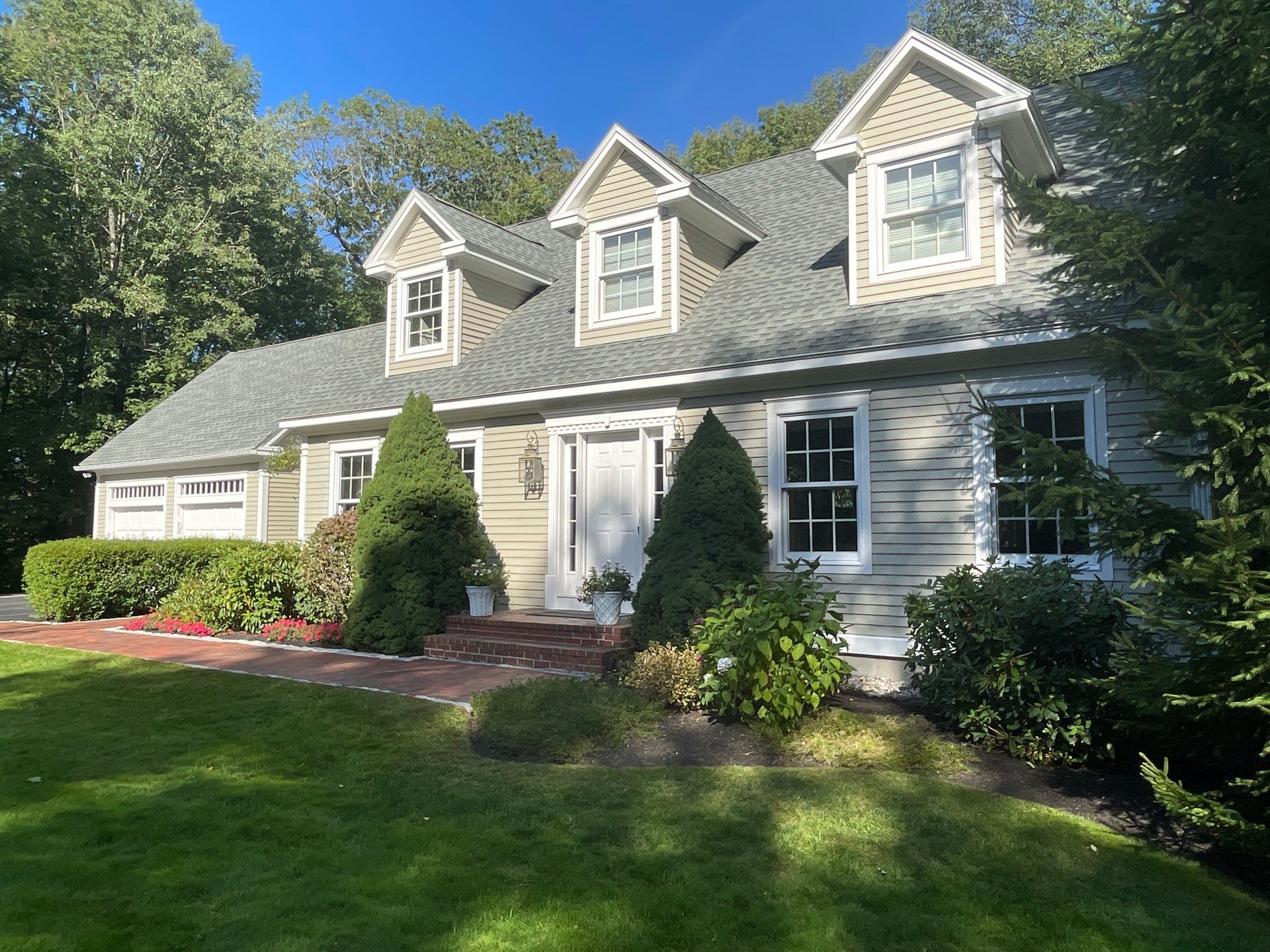
From freezing winters and heavy snow to humid summers and coastal salt spray, homes experience constant expansion, contraction, and moisture exposure throughout the year. Even the best paint systems gradually wear down under these conditions.
Several environmental factors influence how long your paint lasts:
These elements slowly weaken the protective coating that keeps water away from your siding and trim.
A Realistic Exterior Painting Timeline
Many homeowners hope exterior paint will last 15 years or longer. While that is sometimes possible, it’s usually unrealistic in Maine.
A more practical timeline looks like this.
Every 5–7 Years
Homes in coastal areas or properties exposed to constant sun, wind, and moisture may benefit from repainting within this range.
Salt air accelerates paint breakdown, while intense weather can wear away finishes more quickly than inland locations.
Every 7–10 Years
For most inland Maine homes, this is the typical repainting schedule when quality products and proper preparation are used.
If the previous paint job included thorough scraping, repairs, priming, and premium paint, homeowners can often enjoy many years of protection before another full repaint becomes necessary.
10+ Years
Some well-maintained homes can exceed ten years before needing repainting.
This usually happens when several conditions come together:
Even then, annual inspections remain important.
The Type of Siding Makes a Difference
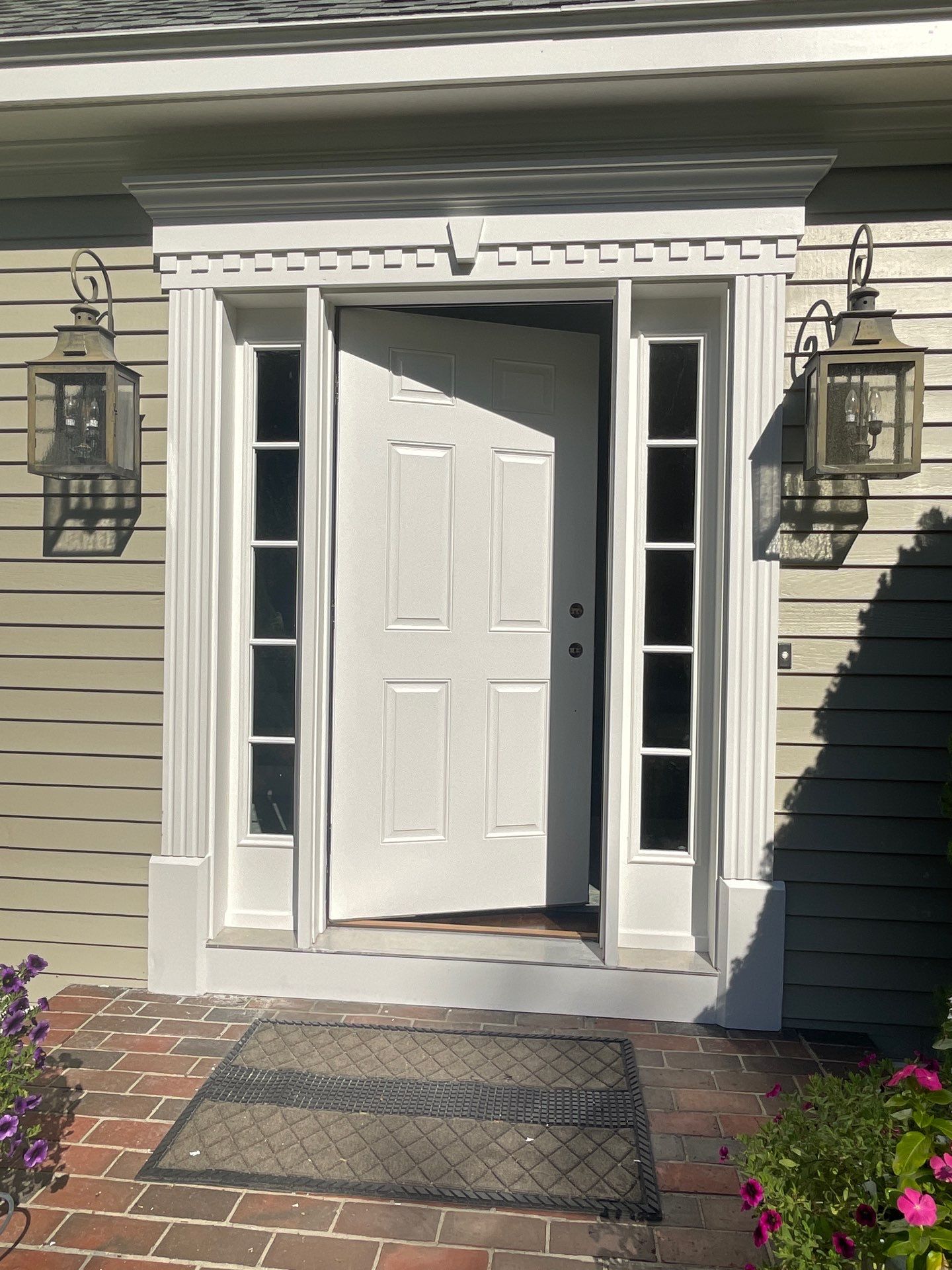
Not every exterior surface ages the same way:
- Cedar Shingles – Cedar is one of Maine’s most recognizable siding materials. Painted cedar performs well but requires monitoring because wood naturally expands and contracts with changing temperatures and moisture levels. Small cracks should be addressed early before water reaches the wood underneath.
- Wood Clapboard – Traditional clapboard offers timeless curb appeal but benefits from regular maintenance. Areas exposed to direct sunlight often fade faster than shaded sections, making periodic touch-ups worthwhile.
- Fiber Cement – Fiber cement generally holds paint exceptionally well. Many homeowners enjoy longer repainting intervals because the material is stable and resists moisture better than natural wood.
- Engineered Wood – Engineered wood products often provide excellent paint performance when installed and maintained correctly. However, damaged paint should never be ignored, as exposed areas can allow moisture into the material.
Understanding how each material behaves helps homeowners plan maintenance more effectively. By staying proactive, you can extend the life of your paint and protect your home from costly repairs.
Signs Your Home Needs Repainting
The calendar isn’t always the best indicator. Instead, pay attention to what your home is telling you. Common warning signs include:
Addressing these issues early is far less expensive than repairing widespread moisture damage later.
Why Surface Preparation Matters More Than the Paint Itself
Many homeowners focus on the paint brand, but preparation is what determines how long a paint job lasts.
Proper preparation typically includes:
Skipping these steps often shortens the lifespan of even the most expensive paint. A quality paint system starts long before the first finish coat is applied.
How Seasonal Homeowners Can Stay Ahead
If your Maine home is a vacation property, repainting can be harder to plan because you’re not there every week.
Instead of waiting until visible damage appears, schedule an exterior inspection every year so small issues like minor cracks, peeling paint, or early moisture intrusion can be identified and addressed before they develop into more serious and costly problems.
A professional can identify early signs of wear before they become major issues.
This proactive approach helps you:
Planning ahead also provides greater flexibility, especially during busy painting seasons.
Can You Extend the Life of Exterior Paint?
Absolutely.
Several simple habits can help maximize the lifespan of your investment.
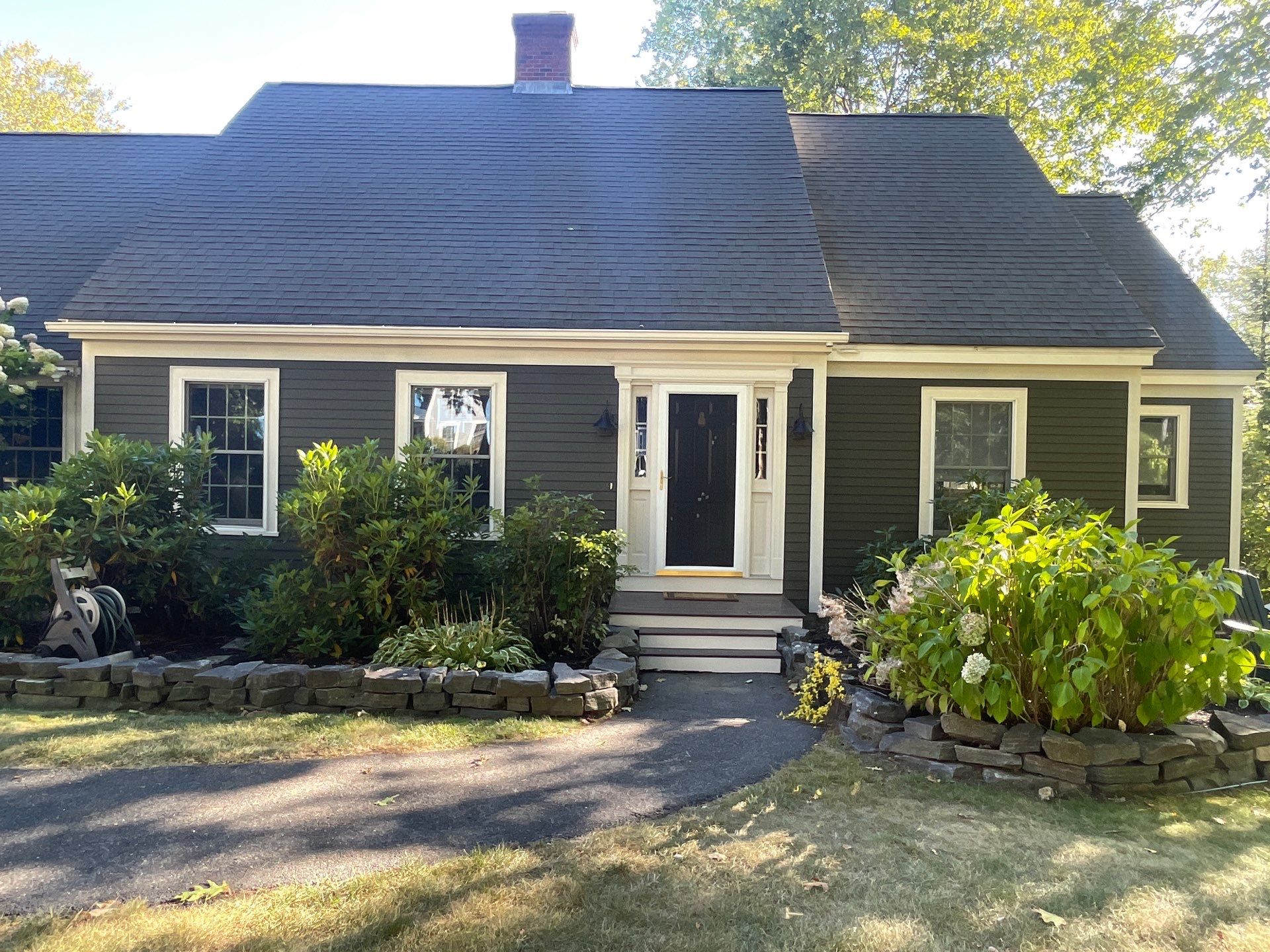
Routine maintenance often adds years to the life of an exterior paint job by preventing small issues from turning into larger, more costly problems. Simple actions like cleaning surfaces, repairing minor damage, and keeping moisture away help preserve the integrity of the paint and the materials beneath it.
When Is the Best Time to Paint in Maine?
Late spring through early fall typically provides the best conditions.
Professional painters look for:
Painting during favorable conditions allows coatings to cure properly, creating a stronger and longer-lasting finish. Scheduling early also gives homeowners more flexibility before contractor calendars fill up.
Investing in Your Home’s Future
Exterior paint is much more than a cosmetic upgrade.
It serves as your home’s first line of defense against moisture, sunlight, temperature swings, and everyday wear.
Waiting too long can allow small paint failures to become expensive siding repairs.
By understanding how often to paint house exterior in Maine, homeowners can create a maintenance plan that protects both the beauty and value of their property for years to come.
Whether your home is your primary residence or a cherished seasonal retreat, staying ahead of repainting needs is one of the smartest investments you can make.
Ready to Protect Your Maine Home?
If you’re unsure whether it’s time to repaint, the experienced team at CYR Painting Service can evaluate your home’s exterior and provide honest recommendations based on its current condition—not a one-size-fits-all schedule. We’ll help you develop a maintenance plan that protects your investment, enhances curb appeal, and keeps your home looking its best for years to come. Call 207-410-4544 today to schedule your consultation and take the guesswork out of exterior home maintenance.