When you’re gearing up for an interior house painting project, it’s tempting to dive right into the fun part: choosing colors and watching the walls transform. But what if you skip one critical step—priming? Homeowners often ask, “Can I just paint without primer?” This blog post answers that question head-on by exploring the real consequences of skipping primer when painting.
Primer may not be the most exciting part of interior house painting, but it’s absolutely essential if you want results that look great and last long.
Key Takeaways:
- or paint adhesion, uneven finish, and peeling over time.
- Primer is especially important for porous surfaces, stained walls, or drastic color changes.
- Using the right primer can save you time, money, and headaches in the long run.
- There are specific situations where you may be able to skip primer—but only if you meet certain conditions.
- Knowing when and how to use primer is a key part of a successful interior paint job.
What Is Primer and Why Does It Matter?
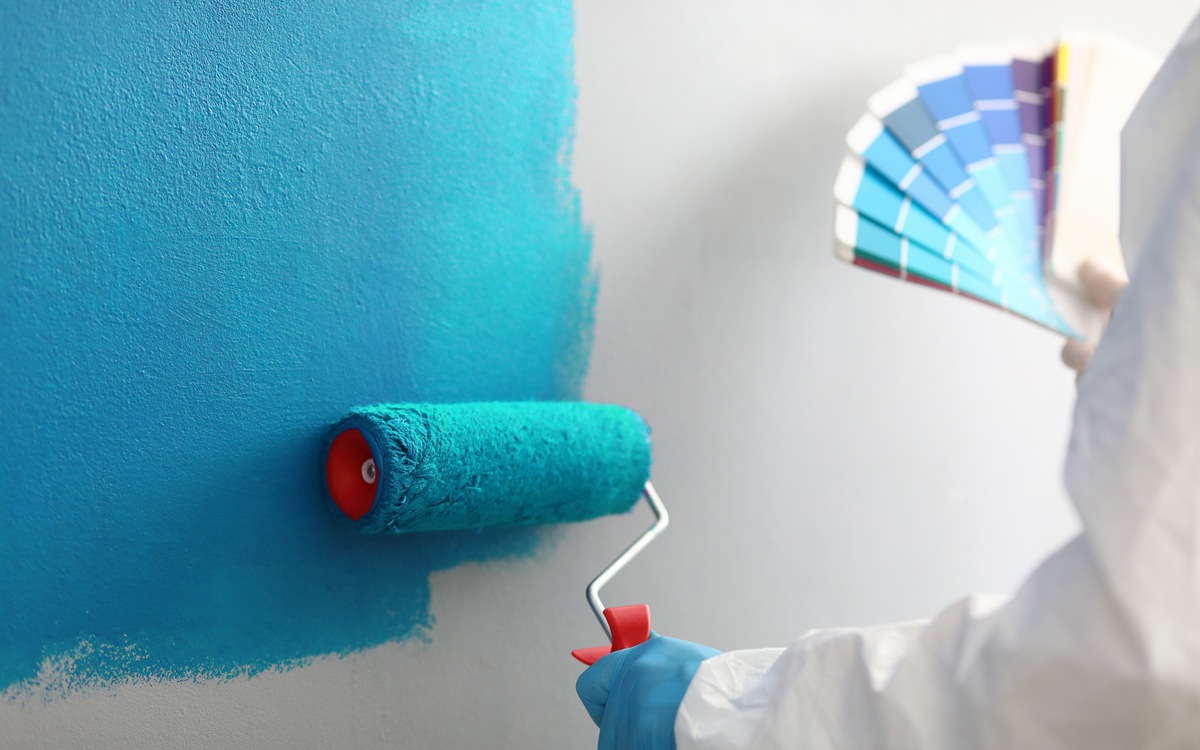
Primer is a preparatory coating that helps paint stick better to the surface. It also creates a uniform base, especially useful when you’re covering dark colors or patchy walls. Think of it like foundation before makeup—it evens things out and improves the final look.
Skipping primer when painting is like trying to hang wallpaper on a dusty wall: the end result won’t hold up, and you’ll likely need to redo it sooner than you’d like.
The Hidden Costs of Skipping Primer
Many homeowners skip primer to save time or cut costs. Ironically, this can have the opposite effect.
Here’s what can go wrong:
- Poor Paint Adhesion: Without primer, paint may not stick properly, leading to premature peeling or chipping.
- Uneven Coverage: Unprimed walls can soak up paint unevenly, causing patchy areas.
- More Coats Required: You may end up using more paint to compensate, which increases costs.
- Stains and Imperfections Show Through: Primer seals in previous colors, stains, and repairs. Without it, those flaws can bleed through.
- Reduced Durability: Paint applied directly to bare or uneven surfaces won’t last as long.
When Is Primer Absolutely Necessary?
Not every situation requires a primer, but many do. Here are some key times you should never skip it:
- New Drywall: It’s extremely porous and will absorb paint like a sponge.
- Drastic Color Changes: Going from dark to light (or vice versa)? Primer helps prevent bleed-through.
- Stained or Damaged Walls: Water stains, smoke damage, or repairs need sealing.
- Glossy Surfaces: High-sheen paints or surfaces need primer to help the new coat adhere.
- Unpainted Wood or Metal: These raw materials need a bonding agent to hold paint.
Are There Times You Can Skip Primer?
Yes—but only under the right conditions:
- Same-Color Touch-Ups: If the wall is in good shape and you’re repainting the same color, you might not need primer.
- Paint & Primer in One Products: These can work on already-painted, smooth, and clean surfaces.
- Walls in Excellent Condition: If they’re clean, smooth, and have been recently painted with a similar finish.
Still, when in doubt, priming is the safer choice.
The Long-Term Benefits of Using Primer
Using a primer may seem like an extra step, but it pays off over time. Here’s how:
- Better Appearance: The final coat looks smoother and more professional.
- Longer-Lasting Finish: Helps prevent peeling, cracking, and flaking.
- Lower Maintenance: Fewer touch-ups and repainting needed down the road.
- Improved Color Accuracy: Primer neutralizes the underlying surface so your chosen color shines.

DIY vs Hiring a Pro: What Homeowners Should Know
If you’re tackling your own interior house painting, knowing when and how to use primer is key. Follow the instructions on the primer label, and don’t rush the drying time.
But if you’re unsure or want flawless results, hiring a pro can make a world of difference. A professional painter knows the exact primer type to use for your specific wall material, color goals, and paint brand.
Choosing the Right Primer for Your Interior Walls
Not all primers are created equal. Here are a few common types:
- Latex Primer: Great for drywall and soft woods.
- Oil-Based Primer: Best for blocking stains and sealing porous surfaces.
- Shellac Primer: Excellent for sealing in tough stains and odors.
Match your primer to the job. If you’re dealing with smoke damage, for example, shellac primer may be your best bet.
Final Thoughts: Don’t Skip This Step
Skipping primer when painting is a gamble most homeowners shouldn’t take. Whether you’re painting over stained walls, brand-new drywall, or making a dramatic color change, primer is your best ally.
It might not seem like much, but this one step can be the difference between a paint job that lasts for years—and one that flakes in months.
Ready to Start Your Interior House Painting Project?
If you’re feeling overwhelmed or unsure about whether your walls need priming, we’ve got you covered. The experts at CYR Painting Service specialize in high-quality interior painting that starts with the right prep—including the perfect primer. Let us help you get flawless, lasting results.
Call 207-410-4544 today for a free estimate.