Starting an interior painting project sounds simple. Pick a color. Grab a brush. Start painting. But if the air inside your home is too damp or too cold, your results can suffer fast. The ideal humidity for interior painting plays a huge role in how your paint looks, dries, and lasts.
Many homeowners do not think about temperature or moisture levels until something goes wrong. Paint may dry too slow. It may bubble. It may peel. The finish may look dull or streaky. The good news? You can avoid all of this by understanding the right conditions before you open that first can of paint.
Key Takeaways:
- The ideal humidity for interior painting is between 40% and 50%.
- Indoor temperatures should stay between 60°F and 85°F.
- High humidity slows drying and can cause bubbling or peeling.
- Cold temperatures make paint thicker and harder to apply.
- Proper airflow helps paint dry evenly and smoothly.
- Planning your interior painting project around weather conditions leads to better results.
Why Humidity Matters More Than You Think
Paint needs to dry the right way. When you apply paint to a wall, the liquid must evaporate so the coating can cure and harden.
If humidity is too high, the air is already full of moisture. That makes it harder for the water in the paint to evaporate. When that happens, drying takes longer. The paint can stay soft. Dust and debris may stick to it. You may also see streaks, bubbling, or uneven texture.
If humidity is too low, paint can dry too fast. This may lead to visible brush marks and lap lines. It can also prevent proper bonding to the surface.
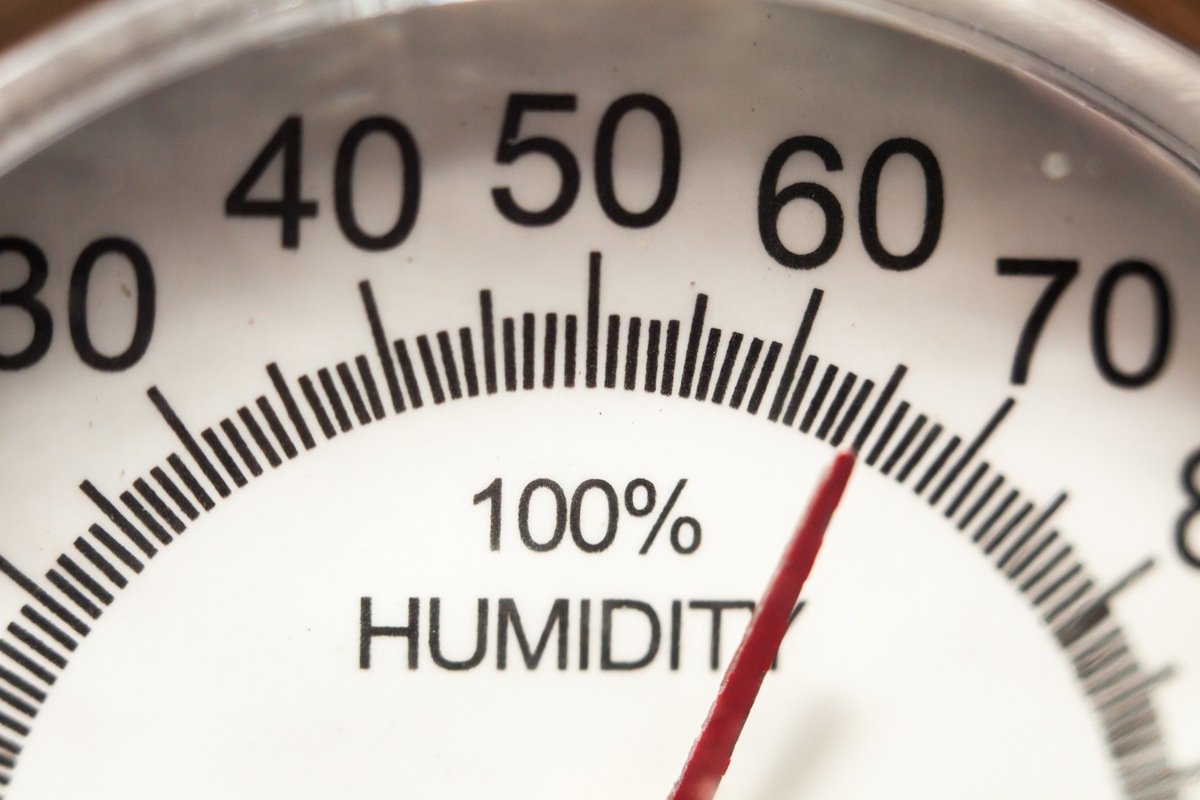
That is why the ideal humidity for interior painting is usually between 40% and 50%. This range gives paint the balance it needs to dry at a steady, even pace.
What Happens If It’s Too Humid?
High humidity is one of the biggest problems for indoor painting. Here is what can go wrong:
1. Longer Dry Time
Paint may take twice as long to dry when humidity is high. Instead of drying in a few hours, it may stay wet well into the next day. This delays second coats and extends the timeline of your interior painting project. Longer dry times also increase the chance of dust, pet hair, or debris sticking to the surface.
2. Sticky or Tacky Walls
Even after hours, the surface may feel soft or slightly sticky to the touch. This happens because moisture in the air slows the curing process. Tacky paint is more likely to smudge, scuff, or show fingerprints. It can also make it harder to reinstall outlet covers, hardware, or décor without damaging the finish.
3. Bubbling and Blistering
When moisture gets trapped under the paint film, small bubbles can form on the surface. As the paint continues to dry, those bubbles may grow or crack. This leaves behind rough patches that require sanding and repainting. Bubbling and blistering are clear signs that humidity levels were too high during application.
4. Poor Adhesion
High humidity can prevent paint from bonding tightly to the wall. When adhesion is weak, the paint may peel, chip, or flake much sooner than expected. This often shows up around trim, corners, and high-traffic areas first. Poor adhesion means you may need touch-ups or a full repaint earlier than planned.
If you live in a humid climate or are painting during a rainy season, it is smart to check indoor humidity levels before you begin.
What If It’s Too Cold to Paint Inside?
Cold temperatures create a different set of issues.
Most paint manufacturers recommend indoor temperatures between 60°F and 85°F. When it drops below that range, paint becomes thicker. Thick paint does not spread well. It may leave heavy roller marks.
Cold air also slows drying time. Just like high humidity, this can cause uneven curing and poor adhesion.
If walls or surfaces are cold to the touch, that can also affect how the paint bonds. Even if the room air feels warm, cold drywall or trim can cause problems.
Can You Paint in Winter?
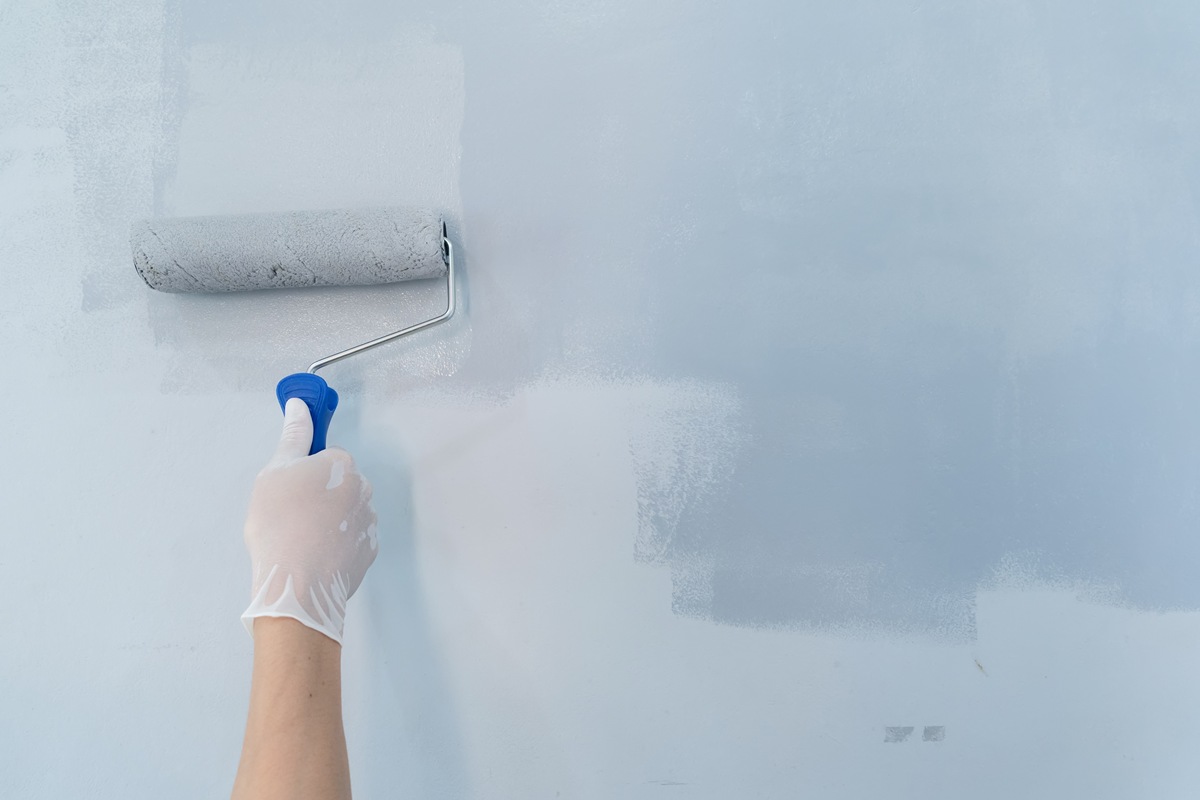
Yes, you can paint in winter. But you need to control the environment.
Here are a few tips:
- Turn on the heat at least 24 hours before painting. Warming the room a full day in advance allows the air, walls, ceilings, and trim to reach a stable temperature. Cold surfaces can affect how paint spreads and bonds. Giving the space time to warm up helps create even drying conditions from the start.
- Keep the temperature steady during the project. Sudden drops or spikes in temperature can slow drying or cause uneven curing. Try to keep the room between 60°F and 85°F the entire time you are painting and for at least 24 hours after. Consistency helps the paint form a strong, smooth finish.
- Avoid opening windows if it is very cold outside. Letting in freezing air can quickly lower the surface temperature of your walls. Even if the room feels warm, cold drafts can affect how the paint adheres. It is better to maintain controlled indoor conditions than introduce extreme outdoor air.
- Use fans to keep air moving. Gentle airflow helps paint dry evenly and reduces lingering fumes. Place fans so they circulate air around the room rather than blowing directly on wet walls. Steady air movement supports proper drying without causing streaks or patchy spots.
The key is consistency. Big swings in temperature can cause paint to expand and contract, which may lead to cracking.
How to Measure Humidity Inside Your Home
You do not need fancy equipment. A simple digital hygrometer can measure humidity levels. Many smart thermostats also show indoor humidity.
If levels are above 60%, you may want to run a dehumidifier. If levels are below 30%, a humidifier can help balance the air.
Checking humidity before your interior painting project takes just a few minutes. But it can save you from costly mistakes.
Signs Your Conditions Are Not Right
Not sure if your home is ready for painting? Watch for these signs:
- Condensation on windows: If you see water droplets forming on the inside of your windows, the air in your home is likely too humid. That same moisture is floating in the room where you plan to paint. High indoor moisture can slow drying time and increase the risk of bubbling or peeling.
- Damp or musty smells: A musty odor often means excess moisture is trapped in the air or building materials. Even if surfaces look dry, the environment may still be too humid for paint to cure properly.
- Walls that feel cold or clammy: If drywall or trim feels cool and slightly damp to the touch, it may be holding moisture. Paint applied to these surfaces may not bond well and could dry unevenly.
- Paint that stays wet for hours: If a test patch remains tacky long after the recommended drying time, humidity or low temperatures may be the cause. This is a clear sign conditions are not ideal.
- Uneven sheen after drying: If some areas look shinier or duller than others, moisture levels may have interfered with how the paint cured. Uneven drying often points to poor airflow or high humidity.
These clues often point to high humidity or poor airflow.
How to Create the Ideal Painting Environment
You do not have to wait for perfect weather to start painting. In most cases, you can control indoor temperature and humidity with the right tools and a little planning. By adjusting airflow, running your HVAC system, or using a dehumidifier, you can create the ideal environment for strong, even paint results.
Use a Dehumidifier
A dehumidifier is one of the fastest ways to bring indoor moisture down to the ideal range. If your humidity level is above 50%, turn on a portable unit in the room you plan to paint. Let it run for several hours before you begin. This pulls excess moisture from the air and helps paint dry at a steady pace. For larger spaces, you may need more than one unit or to run your whole-home system. Empty the tank as needed so it keeps working properly.
Run the HVAC System
Your heating and cooling system does more than control temperature. It also helps balance humidity throughout your home. Turn your system on at least a day before starting your project. This allows walls, ceilings, and trim to reach a stable temperature. Keeping the system running during and after painting helps maintain consistent conditions. Avoid turning the system off at night, since sudden drops in temperature can slow curing and affect the final finish.
Improve Airflow
Good airflow helps paint dry evenly. Use ceiling fans or box fans to keep air moving around the room. Place fans so they circulate air across the space, not directly at freshly painted walls. Direct airflow can cause uneven drying or visible streaks. Gentle, steady circulation is the goal. Proper airflow also helps remove paint fumes and keeps the room comfortable while you work.
Keep Doors Open
Opening interior doors allows air to move freely between rooms. This helps prevent pockets of trapped humidity. When air can flow throughout the house, temperature and moisture levels stay more balanced. If possible, open doors to adjacent spaces that are also climate-controlled. This creates a more stable environment and supports better drying conditions.
Avoid Painting During Storms
Storms often bring a sharp rise in humidity, even inside your home. Heavy rain can increase moisture levels in the air and in building materials like drywall and wood. Even if windows are closed, the overall humidity in the house may climb.
If a storm is expected, it may be best to delay your interior painting project by a day or two. Waiting for drier weather helps you stay within the ideal humidity for interior painting and protects your final results.
Small steps like these can keep your interior painting project on track and help you achieve a smooth, long-lasting finish.
Why Professional Painters Pay Attention to Humidity
Experienced painters always check the environment first. They know that even the best paint cannot perform well in the wrong conditions.
Professionals plan projects around humidity levels. They also use tools to monitor temperature and moisture during the job.
This attention to detail leads to:
- Smoother finishes
- Longer-lasting results
- Fewer callbacks
- Happier homeowners
If you want a flawless look, environmental control is just as important as color choice.
Common Questions Homeowners Ask
Is 70% Humidity Too High to Paint?
Yes. At 70% humidity, the air is holding a large amount of moisture. This makes it much harder for paint to dry and cure the right way. Drying time can increase by several hours, and the surface may stay soft longer than it should. When paint dries too slowly, it can trap moisture underneath. That often leads to bubbling, blistering, or peeling later on. If indoor humidity is near 70%, it is best to run a dehumidifier or your HVAC system until levels drop closer to the ideal humidity for interior painting, which is between 40% and 50%.
Can I Use a Space Heater to Warm the Room?
You can use a space heater, but you must use it safely and carefully. Place it several feet away from freshly painted walls. Never aim direct heat at wet paint, since this can cause uneven drying or visible patchy spots. It is also important to avoid creating hot and cold zones in the room. A steady, even temperature between 60°F and 85°F is much better than blasting high heat for short periods of time. If possible, turn on your main heating system 24 hours before starting your interior painting project so surfaces and air temperature are consistent.
Should I Open Windows to Reduce Humidity?
Opening windows can help, but only if the air outside is less humid than the air inside. On dry days, fresh air can improve airflow and help paint dry evenly. However, during rainy or muggy weather, opening windows may actually bring in more moisture. That can slow drying and raise indoor humidity levels even higher. Before opening windows, check your local weather or use a hygrometer to compare indoor and outdoor humidity levels. Good airflow is helpful, but only when it supports the ideal humidity for interior painting.
Does Bathroom or Kitchen Painting Require Extra Care?
Yes. Bathrooms and kitchens naturally hold more moisture because of showers, cooking, and dishwashing. Even if the room looks dry, moisture can linger in the air and on surfaces. Before painting, run exhaust fans and allow surfaces to dry fully. Wipe down walls to remove condensation, grease, or soap residue. It is also smart to use a moisture-resistant primer and paint designed for high-humidity areas. Taking these extra steps helps your paint bond properly and last longer in rooms that face daily moisture exposure.
The Bottom Line: Timing Makes a Big Difference
Painting is not just about color. It is about conditions.
The ideal humidity for interior painting sits between 40% and 50%, with steady indoor temperatures between 60°F and 85°F. Staying in this range helps paint dry evenly, bond properly, and look great for years.
When you plan your interior painting project with humidity and temperature in mind, you protect your time, money, and effort. You also avoid frustration and costly do-overs.
Ready for a Smooth, Professional Finish?
If you are unsure whether your home is ready for painting, it helps to talk with experts who understand the science behind a perfect finish.
At CYR Painting Service, we do more than apply paint. We measure, plan, and prepare your space so your results last. Our team knows how to create the ideal environment for long-lasting beauty and durability.
Call 207-410-4544 today to schedule a consultation. Let us take the guesswork out of your next painting project and deliver results you will love every time you walk into the room.