So, you finally carved out a weekend to work on that interior painting project. You picked your colors, stocked up on supplies, and put on your painting clothes. But a few hours (and maybe a few drips) later, you realize it doesn’t look quite right. Maybe the paint’s streaky, the edges are jagged, or there are mystery bubbles popping up on the wall. Don’t panic. If you’re wondering how to fix common painting mistakes, you’re definitely not alone—and the good news is, most errors are surprisingly easy to correct with a few simple steps.
Key Takeaways:
- Common painting mistakes are easy to fix with the right tools and techniques.
- Don’t rush to repaint the whole wall—spot fixes often do the trick.
- Letting paint dry fully is key before attempting repairs.
- Many mistakes are preventable with good prep and patience.
1. Fixing Streaky Paint
Streaks often happen when there isn’t enough paint on the roller, or when you go over drying paint with uneven pressure. Here’s what to do:
How to fix it:
- Let the paint dry completely.
- Lightly sand the streaky area with a fine-grit sandpaper (220 grit works great).
- Wipe away dust with a damp cloth.
- Re-roll the area using even, gentle pressure.
- Make sure your roller is evenly loaded with paint before starting.
Pro tip: Work in small sections and always maintain a wet edge to avoid lap marks.
2. Dealing With Drips and Runs
This is one of the most common issues in any interior painting project. Drips happen when you overload your brush or roller, or if you’re painting too quickly.
How to fix it:
- If the paint is still wet, gently roll or brush it out.
- If it’s dry, use a razor blade or utility knife to carefully scrape off the raised drip.
- Sand the area smooth and repaint.
Prevent it next time: Avoid overloading your brush or roller, and keep a consistent pace.
3. Uneven Coverage or Patchy Paint
You step back and see some parts of the wall look lighter than others. That’s uneven coverage, and it can happen if you didn’t prime properly or didn’t use enough paint.
How to fix it:
- Let the current coat dry completely.
- Apply a second (or even third) coat, making sure to roll in a “W” or “M” motion for even distribution.
- Use quality paint for better coverage.
Bonus tip: Tinted primer can help if you’re making a big color change.
4. Jagged Edges or Bleeding Tape Lines
Taping off trim and edges seems foolproof, but paint bleeding under tape is frustratingly common.
How to fix it:
- Let the paint dry.
- Use an angled brush and carefully paint over the edge to clean it up.
- If it’s really bad, lightly sand and repaint the affected area.
Next time, try this: After applying painter’s tape, paint a thin layer of the wall color over the tape edge. Let it dry, then apply your contrasting color. This “seals” the tape and gives you a crisp line.
5. Paint Bubbles or Blisters
Paint bubbles are usually caused by painting over a dirty, damp, or hot surface. Moisture trapped under the paint tries to escape, creating blisters.
How to fix it:
- Let the paint dry fully.
- Pop the bubbles with a utility knife.
- Scrape away loose paint and sand the area smooth.
- Prime and repaint.
Avoid it next time: Make sure surfaces are clean and dry. Don’t paint in direct sunlight or in high humidity.
6. Roller Marks and Texture Problems
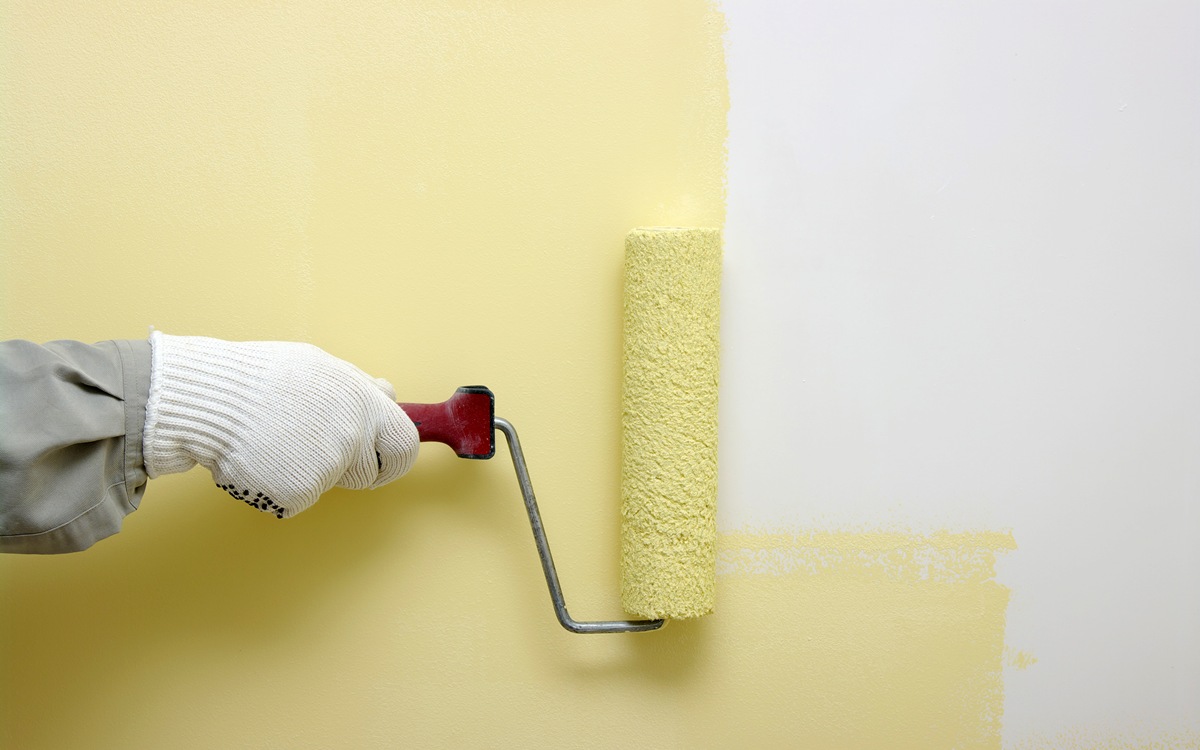
Sometimes your wall looks more like an orange peel than a smooth finish. That often happens when the roller is dry or of poor quality.
How to fix it:
- Sand the area lightly to reduce texture.
- Repaint using a high-quality roller with the appropriate nap for your wall type.
Choose the right tool: Smooth walls need a 1/4- or 3/8-inch nap. Rough walls need thicker rollers.
7. Missed Spots
You didn’t see it during the painting process, but now that everything’s dry, you notice patches you missed.
How to fix it:
- Spot paint the area with a brush or small roller.
- Feather the edges so it blends with surrounding paint.
Shine a light: Using a work light or flashlight at an angle while painting can help spot these in real time.
8. Peeling Paint
If your paint is peeling off like a bad sunburn, it usually means poor surface prep—likely painting over dirt, gloss, or old flaking paint.
How to fix it:
- Scrape away all peeling paint.
- Sand the area until smooth.
- Clean the surface thoroughly.
- Prime and repaint.
Prep is everything: A clean, dull, dry surface is the key to lasting paint.
9. Wall Stains Showing Through
Stains from water, smoke, or markers can bleed through new paint, even after multiple coats.
How to fix it:
- Apply a stain-blocking primer (like Kilz or Zinsser) over the stained area.
- Let it dry fully.
- Repaint with your wall color.
Don’t skip primer: Especially in kitchens, bathrooms, or areas with past water damage.
10. Wrong Color or Finish
Uh-oh. The color looked great on the sample, but on the wall? Not so much. Or maybe you chose a glossy finish that shows every imperfection.
How to fix it:
- Unfortunately, there’s no magic here—you’ll need to repaint.
- Let the current coat dry fully.
- Lightly sand if switching from a glossy finish.
- Use a flat or eggshell finish for a more forgiving look.
Sample before committing: Always test colors in your space at different times of day.
Bonus: Tips to Avoid Mistakes in the First Place
- Prep your surfaces. Clean, sand, and prime if needed.
- Invest in quality supplies. Cheap brushes and rollers lead to poor results.
- Don’t rush. Painting is a process. Give it the time it needs.
- Paint in the right conditions. Ideal temperatures are between 50-85°F, with low humidity.
- Keep tools clean. Dried paint on brushes = streaky walls.
Final Thoughts
Painting mistakes are a pain, but they don’t have to be permanent. With the right techniques and a little patience, you can turn even a disaster of an interior painting project into something you’re proud to show off. And remember, the best way to fix mistakes is to avoid them—so take your time, prep well, and don’t skimp on tools or materials.
If your DIY attempt has turned into a full-on frustration, don’t hesitate to call the pros. CYR Painting Service is here to help you get flawless results—without the stress or mess. Call us at 207-410-4544 for a free estimate today!