A proper exterior house painting project should take between 3 to 7 days—sometimes longer depending on house size, weather, surface condition, and the complexity of the prep work.
If your contractor promises a one-day turnaround on a full repaint, proceed with caution. Rushed paint projects often lead to poor adhesion, patchy coverage, and failure within months.
Why does the timeline matter? Because exterior painting is more than just color—it’s chemistry, construction, and climate working together. Understanding the project phases—from inspection and washing to curing and final walkthrough—helps homeowners avoid surprises and set reasonable expectations for planning, budget, and time off.
In this blog, we’ll break down:
- Each phase of the painting process, from prep to cleanup
- How long each stage should take
- Factors that affect timelines, like weather and product type
- How to talk timelines with your contractor
- Product-specific drying and curing facts
Let’s start at the beginning—where time and technique matter most: preparation.
Phase 1 – Initial Assessment and Surface Preparation (1–3 Days)
Detailed Exterior Inspection
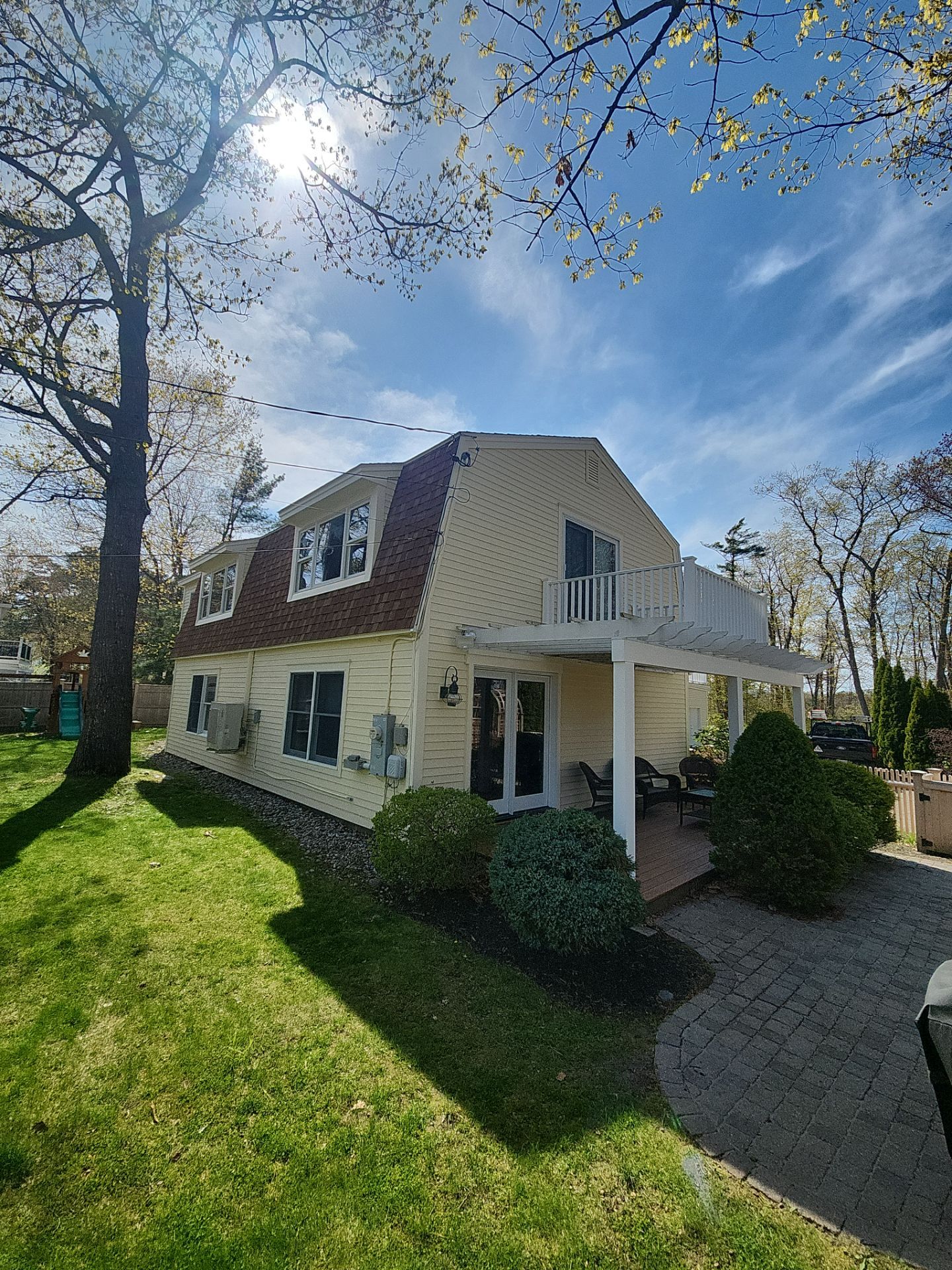
Every quality paint projects starts with a thorough inspection. Painters should walk the entire property, documenting signs of peeling, cracking, mildew, rot, and damaged trim. If the house was previously painted with lead-based paint, additional containment measures are required—this alone may add a full day.
Inspectors also identify substrates: wood siding, stucco, masonry, metal. Each requires different prep methods and priming products. A professional assessment ensures that surface-specific issues are addressed before painting starts.
Cleaning and Power Washing (0.5–1 Day)
A clean surface is non-negotiable. Power washing removes chalking, dust, dirt, and mildew that interfere with paint adhesion. Washing can take several hours, especially on larger homes or heavily soiled surfaces.
Then, drying is crucial. Surfaces must be left to dry for 24–48 hours, especially wood and stucco, which retain moisture longer. Moisture meters are used to confirm substrate dryness—ideally below 15%.
Surface Repairs and Caulking (1–2 Days)
This step is often underestimated. Repairs may include:
- Replacing rotted trim or siding
- Filling stucco cracks with elastomeric patching compound
- Repointing masonry joints
- Sealing gaps around windows, doors, vents, and siding with paintable, exterior-grade caulk like DAP Dynaflex 230®
Good caulking prevents moisture intrusion, a common cause of paint failure. Some caulks require 4–6 hours to skin and 24 hours to cure—another reason to build in time here.
Sanding and Scraping
Where paint is peeling or cracked, surfaces must be scraped to a solid edge, then feather-sanded for smooth transitions. Glossy surfaces should be scuffed to promote adhesion. Orbital sanders or HEPA vacuums may be used for lead-safe containment.
Phase 2 – Priming (0.5–1 Day)
Primer Selection Based on Substrate
Not all primers are created equal. Choosing the correct one depends on your surface:
| Substrate | Recommended Primer Type | Product Example |
|---|---|---|
| Bare Wood | Stain-blocking, oil-based or latex primer | Zinsser Cover-Stain®, Kilz Premium® |
| Masonry/Stucco | Alkali-resistant acrylic primer | Sherwin-Williams Loxon® Primer |
| Metal | Rust-inhibitive primer | Rust-Oleum® Clean Metal Primer |
Using the wrong primer can cause adhesion problems—even if the paint is high quality.
Primer Application Techniques
Spraying is fast and covers uneven surfaces better, especially on textured siding. However, back-brushing or rolling helps push primer into porous substrates like wood grain or stucco. Corners, trim, and hard-to-reach areas often require hand-brushing for thorough coverage.
Drying Time Considerations
Primers typically require 4–8 hours to dry, depending on temperature and humidity. Some fast-drying primers allow topcoats in as little as 1 hour, while oil-based primers may need overnight curing. Check the manufacturer’s spec sheet before proceeding.
Skipping this wait leads to paint failure down the road.
Phase 3 – Painting Application (1–3 Days)
Number of Coats and Paint Types
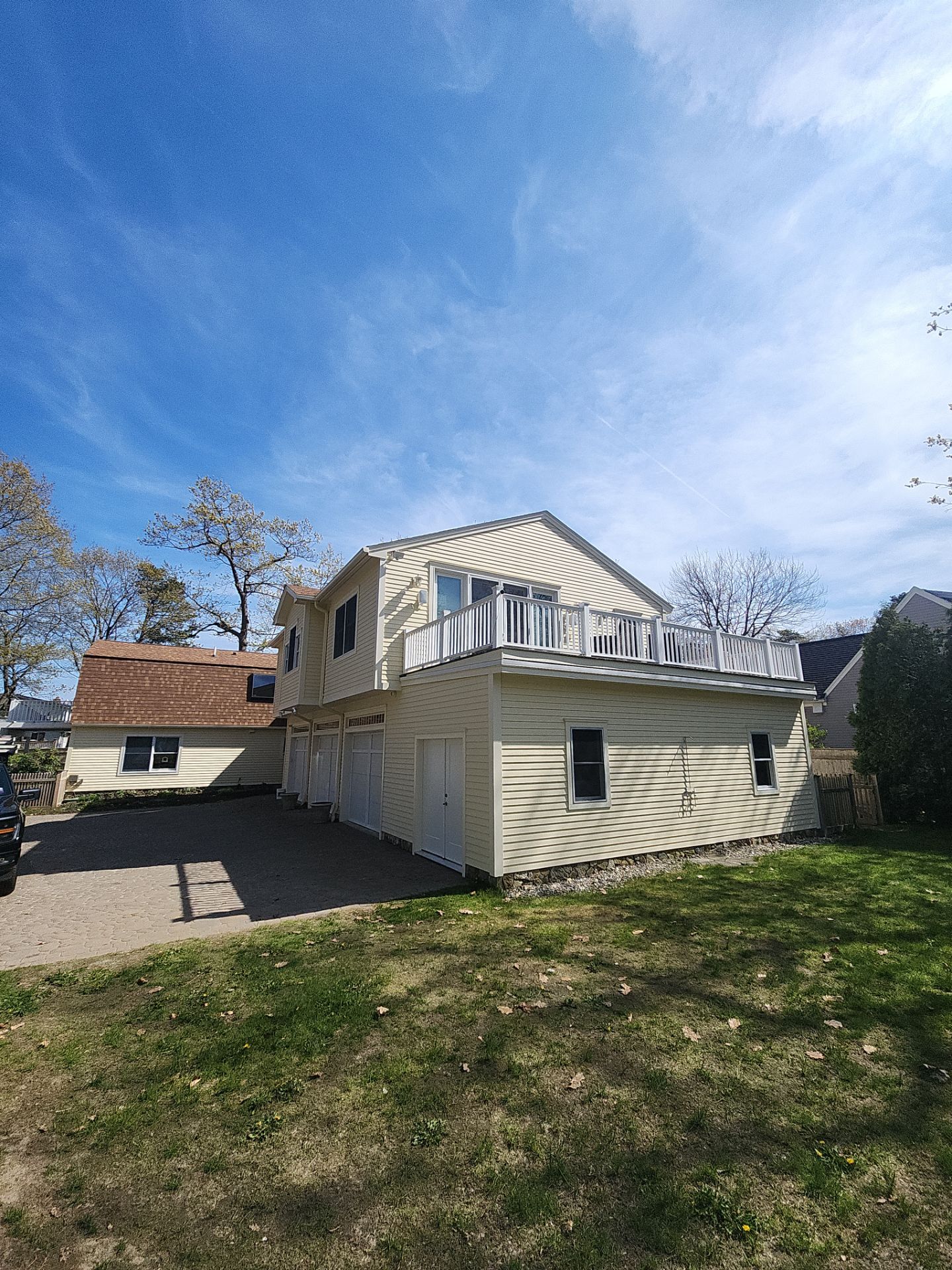
Two coats are the industry standard for exterior durability and color uniformity. Some paint-and-primer-in-one products claim single-coat coverage, but most professionals still recommend two for longevity.
100% acrylic latex paints—like Sherwin-Williams Duration®, Behr Premium Plus Ultra®, or Benjamin Moore Aura®—are known for excellent UV resistance and flexibility.
Application Methods
Spraying offers speed and even coverage on large, flat surfaces. However, trim work, edges, and corners require brushes or rollers. Back-brushing sprayed areas can also improve paint penetration and film build.
Drying and Recoating Times
| Paint Type | Recoat Time (70°F, 50% RH) | Cure Time |
|---|---|---|
| Acrylic Latex (standard) | 4–6 hours | 7–30 days |
| Oil-Based | 8–24 hours | 14–30 days |
| Elastomeric/High-Build Coatings | 12–24 hours | 7+ days |
High humidity or cooler temperatures can double drying times. Paint should never be applied if rain is forecasted within 24 hours or if humidity exceeds 85%.
Managing Weather Constraints
Painting should be avoided when:
- Rain is forecast within 24 hours
- Temperatures drop below 50°F or exceed 90°F
- Surfaces are in direct sunlight for extended periods (paint may dry too quickly and blister)
Flexibility is key. Build buffer days into your timeline to allow for weather-related adjustments.
Phase 4 – Final Inspection and Cleanup (0.5–1 Day)
Quality Checks and Touch-Ups
Once the paint has dried and cured to the touch, the crew performs a detailed inspection, checking for:
- Missed areas or thin spots
- Paint drips, sags, or overspray
- Proper edge lines and trim detailing
Touch-ups are completed using the same product and method to ensure uniform sheen and coverage.
Cleanup Process
Cleanup includes:
- Removing masking tape, plastic sheeting, drop cloths
- Cleaning brushes, sprayers, and rollers
- Removing paint splatter or debris from surrounding landscaping or windows
- Disposing of leftover materials responsibly (in accordance with EPA standards)
Customer Walkthrough and Approval
A professional contractor will walk the homeowner through the completed project, review the warranty terms, provide maintenance tips, and answer any final questions.
Factors That Affect Exterior Painting Project Timelines

House Size and Architectural Complexity
A 2,000 sq ft ranch-style home may take 3–5 days, while a 3-story Victorian with ornate trim, shutters, and porches could take 7–10 days. Complex detailing, high elevations, and difficult access increase setup and execution time.
Surface Condition and Repair Needs
If your siding has extensive damage, lead paint hazards, or decades of layered coatings, the prep phase will extend by several days—possibly a full week on its own.
Lead-safe work practices (per EPA’s RRP Rule) require extra time for containment, HEPA sanding, and cleanup.
Climate and Weather Conditions
Ideal painting conditions are:
- Temperatures between 50°F and 85°F
- Relative humidity below 70%
- No rain forecast for at least 24–48 hours
Too cold? Paint won’t cure. Too hot? It dries too fast. Scheduling during spring or early fall avoids extreme temperatures and precipitation.
Paint Product Specifications
Not all paints dry or cure at the same rate. Specialty coatings like elastomeric waterproofers, anti-graffiti finishes, or high-performance alkyds often require longer setup, dry, and cure times.
Low-VOC or eco-friendly paints also behave differently and may require extended ventilation during curing.
Crew Size and Contractor Efficiency
A well-staffed, experienced team can complete a project faster without compromising quality. Two painters can do in 5–6 days what a solo operator might stretch over two weeks.
However, larger crews must be coordinated effectively. Ask how many people will be working and what their timeline is.
People Also Ask (FAQs)
Q1: How long does it take to paint a typical 2,000 sq ft house exterior?
A: Most 2,000 sq ft homes take 4 to 7 days, factoring in prep, priming, painting, and drying. Larger homes or those needing repair may take longer.
Q2: Can exterior painting be done in one day?
A: No. Even with a large crew, proper prep, priming, drying, and multiple coats can’t be rushed into one day without sacrificing longevity and appearance.
Q3: What happens if paint is applied in bad weather?
A: Paint applied in high humidity or rain may blister, peel, or fail to cure properly, resulting in premature failure.
Q4: How long should I wait before washing my newly painted exterior?
A: Wait at least 30 days to allow the paint to fully cure. Cleaning too early can damage the finish or remove the sheen.
Q5: Does the type of paint affect the project timeline?
A: Yes. Fast-drying paints can speed up recoating, but elastomeric or oil-based products may extend the timeline due to longer drying and curing times.
Good Painting Takes Time—And That’s a Good Thing
Exterior painting is a process—not a sprint. A properly executed paint project, from prep through final inspection, typically takes 3 to 7 days. Larger or older homes, specialty products, or unpredictable weather can stretch the timeline. But rushing the project to “get it done faster” often leads to costly do-overs.
Homeowners who understand the sequence of steps—from washing and sanding to curing and walkthrough—are better equipped to:
- Set reasonable expectations
- Ask smart questions
- Plan for weather-related adjustments
- Choose a contractor who values quality
At CYR Painting Service, we provide detailed timelines, transparent communication, and top-tier workmanship at every phase. Ready to schedule your exterior painting project?