If you’ve been searching for an interior house painting contractor in the Cape Elizabeth area, you’ve probably noticed that getting a straight answer on price isn’t easy. Every company seems to give a different number, and most won’t put anything in writing until they’ve walked through your home. That’s frustrating. You just want to know what you’re looking at before you pick up the phone. The truth is, the cost of interior painting depends on a handful of real, measurable factors, and once you understand them, you’ll be in a much better position to plan your budget and choose the right team for the job.
This article breaks down every major factor that affects what you’ll pay. No fluff. No vague answers. Just honest information so you can make a smart decision for your home.
Key Takeaways:
- The size of the room and the height of your ceilings are the two biggest drivers of painting costs.
- Paint quality matters more than most people think, and it directly affects how long your results last.
- Prep work like patching, sanding, and priming can add 30% to 50% to the total cost of a project.
- Homes in Cape Elizabeth often have older surfaces and trim details that require more time and care.
- Getting multiple quotes is smart, but the cheapest bid almost always means corners will be cut.

Why Most Homeowners Get Confused by Painting Quotes
Here’s something that happens all the time. A homeowner in Cape Elizabeth calls three different painters and gets three wildly different prices. One says $2,000. Another says $4,500. A third comes in at $6,800. Same house. Same rooms. So what gives?
The answer is that not all painting quotes include the same scope of work. The $2,000 bid might skip primer, use builder-grade paint, and ignore the trim entirely. The $6,800 bid might include two coats of premium paint, full prep work, trim, doors, and a written warranty.
When you don’t know what goes into a quote, you end up comparing apples to oranges. And that usually leads to one of two outcomes: you overpay, or you hire the cheapest option and end up disappointed.
Let’s fix that by walking through the real factors that shape what your project will cost.
Room Size and the Cost of Interior Painting
This one’s pretty straightforward. Bigger rooms cost more to paint. Painters typically price by the square foot of wall space, not floor space. So a room with tall ceilings or lots of wall area will cost more than a smaller room with standard 8-foot ceilings.
For a typical bedroom in Cape Elizabeth, you might be looking at $400 to $800. A large living room or open-concept great room could run $1,200 to $2,500 or more, depending on the ceiling height and the number of walls involved.
If your home has vaulted ceilings, expect to pay a premium. Those jobs require ladders, scaffolding, and more time, all of which add to the final price.
How Ceiling Height Changes the Price
Ceiling height is one of those factors that surprises a lot of homeowners. A room with 10-foot ceilings has roughly 25% more wall space than the same room with 8-foot ceilings. That means more paint, more time, and more labor.
And if your ceilings go above 12 feet? Now the crew needs special equipment to reach safely. That added setup time and equipment cost gets passed along to you. It’s not a markup. It’s the reality of doing the job right.
Many older homes in Cape Elizabeth have high ceilings, crown molding, and detailed trim work. All of that adds time and cost. A good painter will account for those details in the quote. A cheap one will skip them.
The Role of Paint Quality in Your Total Cost
Not all paint is created equal, and the difference in price between low-end and high-end paint is real.
A gallon of builder-grade paint might cost $20 to $30. A gallon of premium paint from brands like Benjamin Moore or Sherwin-Williams can run $50 to $80 or more. When you multiply that across several rooms, the material cost adds up fast.
But here’s the part most people miss: premium paint lasts longer, covers better, and looks better on the wall. A high-quality paint might need only one or two coats to look perfect, while a cheap paint could need three coats and still show streaks. That means more labor hours, more material, and a worse result.
In the long run, paying more for better paint actually saves you money. You won’t need to repaint as soon, and the finish will hold up to daily wear and tear.
Prep Work: The Hidden Factor in the Cost of Interior Painting
If there’s one area where painting costs catch homeowners off guard, it’s prep work. And it’s also the area where cutting corners causes the most problems.
Prep work includes things like:
- Patching holes and cracks in the drywall
- Sanding rough surfaces smooth
- Scraping old, peeling paint
- Cleaning walls to remove dust, dirt, and grease
- Taping off trim, windows, and fixtures
- Applying primer to bare or stained surfaces
On a home in good condition, prep work might add 20% to the total cost. But if your walls have water damage, old wallpaper residue, or layers of cracking paint, prep could account for 30% to 50% of the entire project.
Cape Elizabeth homes, especially those near the coast, can be hit hard by humidity and moisture. That means more potential for peeling, cracking, and mildew, all of which need to be addressed before a single coat of paint goes on.
A painter who skips prep work isn’t saving you money. They’re setting you up for peeling paint and a job that falls apart within a year.
The Number of Coats Matters
A one-coat paint job is almost never enough if you want a professional-looking result. Most quality paint jobs require two coats of paint over a coat of primer.
If you’re making a dramatic color change, like going from dark brown to bright white, you might need three or even four coats. Each additional coat means more paint and more labor hours.
When a painter gives you a low quote, ask how many coats are included. If the answer is one, that should tell you something about the quality of work you’re going to get.
Trim, Doors, and Detail Work Affect Your Cost of Interior Painting
Walls are just one part of the picture. Most homeowners also want their trim, baseboards, door frames, and doors painted. And that detail work takes a lot of time and skill.
Painting trim requires a steady hand, good brushwork, and patience. It’s slower than rolling walls, and it shows every flaw if it’s done poorly. A room that might take a crew three hours to roll could take another two to three hours just for the trim.
If you have a lot of woodwork, built-in shelving, or wainscoting, that will add to the cost. But it also makes a huge difference in the final look of the room. Freshly painted trim makes the whole space feel clean and finished.
How Your Home’s Condition Drives the Price
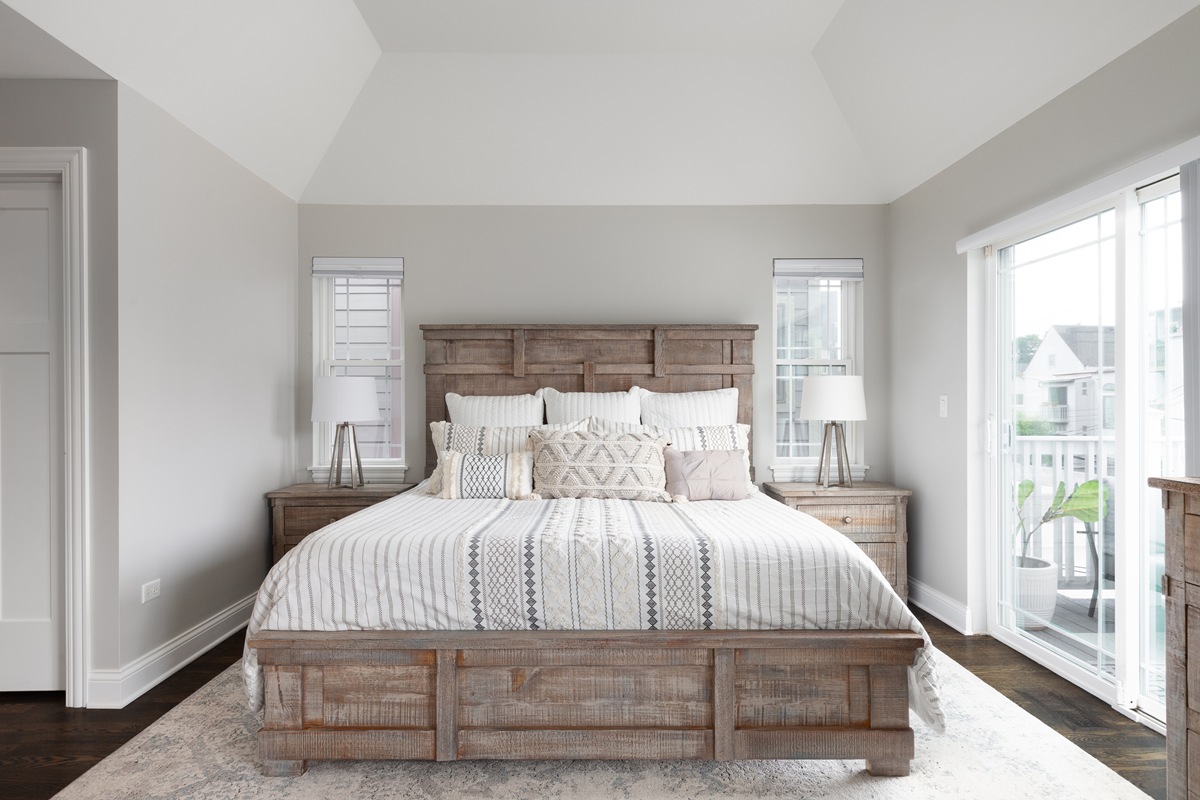
The current condition of your walls and surfaces is one of the biggest factors in what you’ll pay. A newer home with smooth, clean drywall is going to be cheaper to paint than an older home with plaster walls, cracked surfaces, and layers of old paint.
In Cape Elizabeth, many homes were built decades ago. That character and charm comes with some extra painting challenges. Plaster walls need different prep than drywall. Lead paint may be present in homes built before 1978 and needs to be handled safely. Moisture damage from Maine’s coastal weather can require extra repairs before painting begins.
None of this means you shouldn’t paint your home. It just means you should expect a higher cost of interior painting if your home has some age and history to it.
Why the Cheapest Quote Usually Costs You More
It’s tempting to go with the lowest bid. But in the painting industry, a low price often means low quality. Here’s what cheap painters tend to skip:
- Proper prep work. They’ll paint right over cracks, stains, and peeling surfaces.
- Good paint. They’ll use the cheapest product they can find.
- Multiple coats. One thin coat might look okay for a week, but it won’t last.
- Insurance and licensing. If an uninsured painter gets hurt in your home, you could be liable.
- Clean-up and protection. Your floors, furniture, and fixtures are at risk.
A professional painting job done right will hold up for 7 to 10 years. A cheap job might start peeling in less than a year. When you factor in the cost of having it redone, you end up paying double.
What Drives Painting Costs Up in Cape Elizabeth, ME
Cape Elizabeth has some specific factors that can push costs higher than the national average:
- Older housing stock with plaster walls, lead paint, and detailed trim work
- Coastal humidity that causes moisture damage and requires extra surface prep
- Higher cost of living in the area, which affects labor rates
- Seasonal demand, with spring and summer being peak times when painters are busiest and prices tend to be higher
If you’re planning an interior paint job, scheduling during the fall or winter months can sometimes save you 10% to 15%, since most painters have more availability during the off-season.
How to Get an Accurate Estimate for Your Project
The best way to get an accurate picture of your cost of interior painting is to have a professional walk through your home in person. A good contractor will look at the condition of your walls, measure the square footage, ask about your paint preferences, and give you a detailed, written estimate.
When you’re comparing quotes, make sure each one spells out:
- The number of coats included
- The brand and type of paint being used
- What prep work is covered
- Whether trim, doors, and ceilings are included
- The timeline for the project
- The warranty or guarantee on the work
If a quote doesn’t include those details, ask for them. A reputable painter will be happy to explain every line item. If they can’t or won’t, that’s a red flag.
You Deserve Straight Answers About Your Painting Project
Your home is one of the biggest investments you’ll ever make. You deserve to know exactly what you’re paying for and why. You shouldn’t have to guess, and you shouldn’t have to feel pressured into a decision without clear information.
At CYR Painting Service, we believe that an informed homeowner makes the best decisions. That’s why we’re upfront about what goes into every quote, what affects the price, and what you can expect from start to finish. No hidden fees. No surprises. Just honest work from people who care about doing it right.
If you’re ready to get a clear, detailed estimate for your interior painting project in Cape Elizabeth, give us a call at 207-410-4544. We’ll walk through your home, answer every question you have, and give you a written quote you can trust.