The average hallway takes more daily punishment than any other wall in your home. That is why durable interior paint matters so much when you pick a finish for these busy zones. Scuffed corners, fingerprints around light switches, and backpack streaks along the baseboard can age a room fast. Choosing the best paint for high-traffic areas is less about brand loyalty and more about matching the right product to how the wall actually gets used. This post breaks down what pros look for, what they spec, and how to stretch a paint job to its full life.
Key Takeaways:
- The best paint for high-traffic areas pairs a higher sheen with a premium product tier.
- Satin and pearl finishes hold up better than flat or eggshell in hallways, stairwells, and mudrooms.
- A scrub resistance rating of 1,400 cycles or more on ASTM D2486 signals strong washability.
- Prep work drives the life of any durable interior paint just as much as the paint itself.
- Most homeowners repaint hallways every two to three years without the right products.
Why Wall Wear Ages a Home Faster Than Anything Else
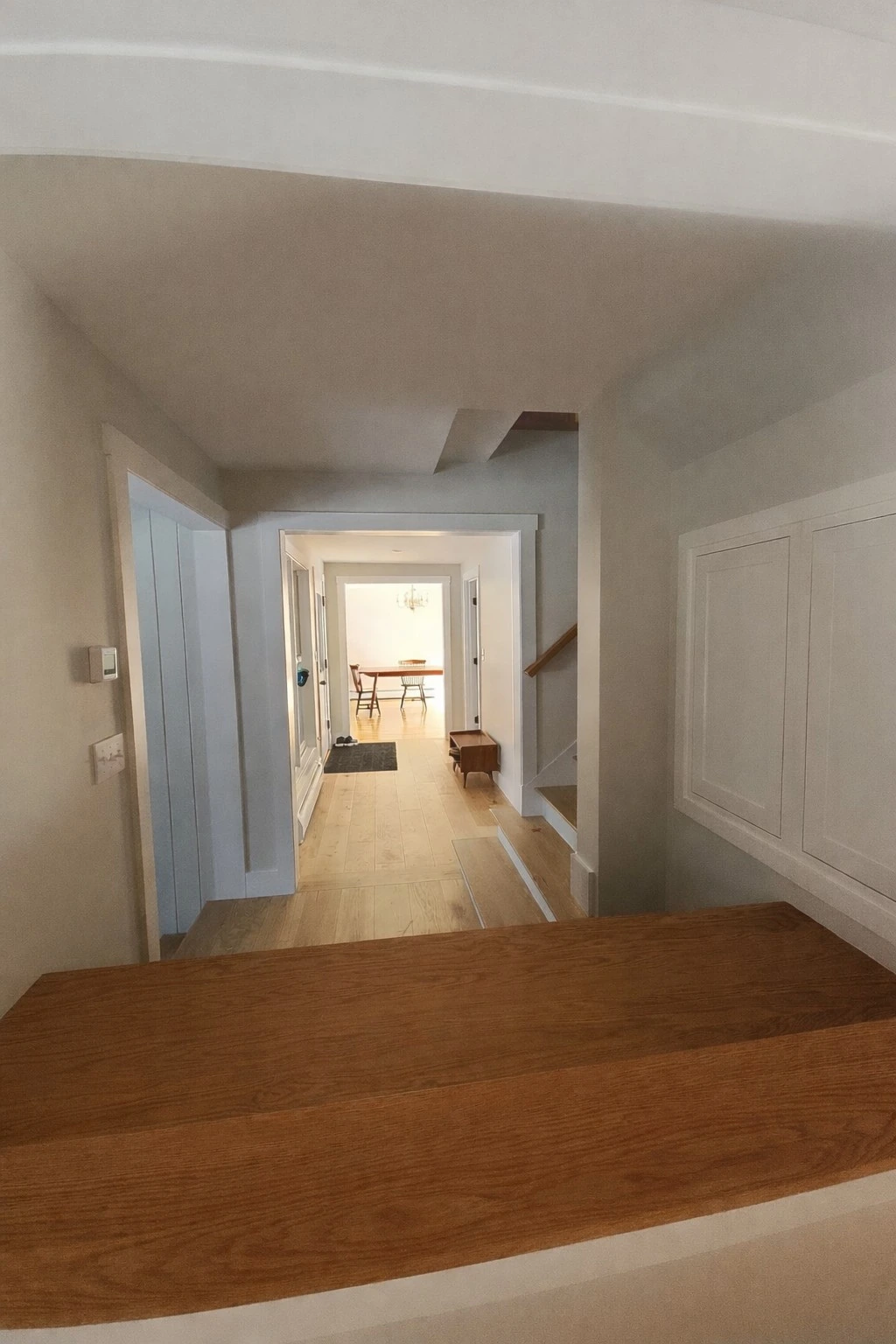
Wall wear is the quiet villain behind most repaint jobs. It builds up slowly. A scuff here. A streak there. A fingerprint near the thermostat. Before long, the hallway that felt clean a year ago looks tired. Hallways and stairwells often need repainting every two to three years because of constant contact with hands, pets, and bags.
Flat paints soak up stains and burnish when scrubbed. Cheap paints fade and chalk faster. Once that happens, no amount of cleaning brings the wall back. The fix is not more cleaning. The fix is picking the best paint for high-traffic areas right from the start. That choice begins with sheen and product tier, which we will walk through next.
What Makes a Durable Interior Paint Actually Durable
Not every can labeled durable interior paint performs the same on the wall. Two things do the heavy lifting: resin quality and scrub rating. Resin is the binder that holds pigment in place. Higher resin content means a tougher film that shrugs off scuffs and stains. Scrub rating, measured by ASTM D2486, counts how many cycles a paint can take before the film wears through.
A result of 1,400 cycles or more signals very good “scrubbability,” and premium interior lines often clear that bar by a wide margin. Budget paints usually fail well before that number. So when a label reads washable or scuff-resistant, ask your paint supplier for the ASTM number. If they cannot give you one, the claim is marketing, not proof. That is the same test pros reference when they spec a durable interior paint for rental turnovers, busy homes, and commercial projects.
Match the Sheen to How the Room Actually Gets Used
Sheen is the single biggest lever you can pull on wall durability. According to Benjamin Moore’s sheen advice, higher-sheen finishes offer better stain resistance and wash more easily than flat or matte options, which is why they hold up in busy rooms. Here is how the common sheens stack up:
- Flat or matte: Good for ceilings and adult bedrooms. Poor scrub resistance.
- Eggshell: Soft glow. Works for living rooms with light traffic.
- Satin or pearl: The sweet spot for hallways, stairwells, mudrooms, and family rooms. Cleans well. Hides minor flaws.
- Semi-gloss: Very tough. Good on trim, doors, and bathrooms. Shows wall imperfections.
For the best paint for high-traffic areas, most interior house painters reach for satin or pearl in a premium line. You get washability without the glare of semi-gloss. If a room has kids, pets, or heavy daily use, step up the sheen before you step down a product tier.
The Product Tiers Pros Pull From
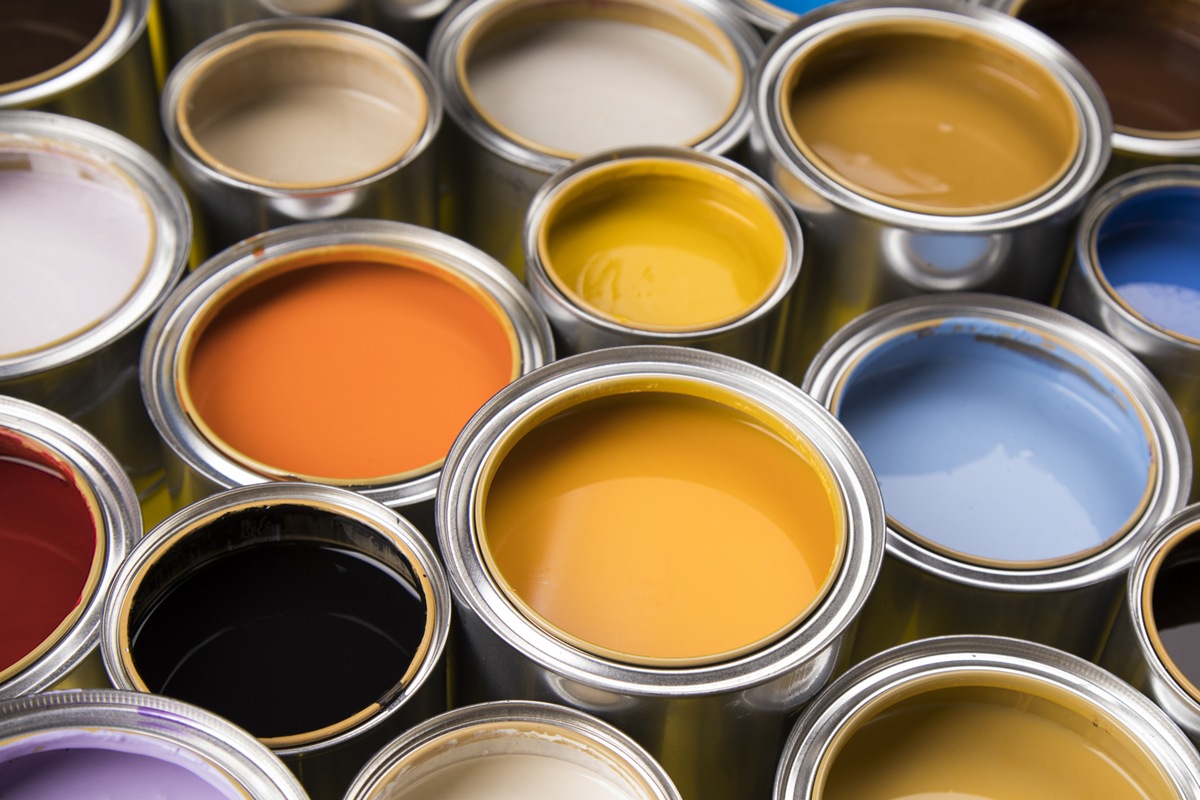
Every major brand has a tiered lineup. The top tier is where the best paint for high-traffic areas lives. Sherwin-Williams Emerald and Duration Home are often specified for hallways, stairwells, and kids’ rooms because of their high solids and cross-linking films. Benjamin Moore Aura and Regal Select sit at a similar level. Both brands also make pearl finishes built for walls in high-traffic areas, including Regal Select Pearl.
Mid-tier lines like SuperPaint or Ben can work in lower-traffic spots but are rarely the right call for a busy corridor. Budget paints are a false economy here. You might save twenty-five dollars a gallon upfront and repaint twice as often. When you add up labor plus paint, the premium tier almost always wins on total cost. That is why experienced interior house painters steer homeowners toward top-tier lines for these zones rather than the cheapest option on the shelf.
Prep Work Stretches the Life of Any Paint
Even the best paint for high-traffic areas fails early when it goes on a dirty or poorly primed wall. Prep is not glamorous, but it decides how long a durable interior paint finish really holds up. Before rolling, walls need cleaning. Grease, dust, and pet dander all block adhesion. Patch nail holes and dings, then sand smooth.
Spot-prime any patches or stains so they do not bleed through the topcoat. Skipping these steps is the top reason paint peels or bubbles within the first two years. Pros also match roller nap to wall texture and watch drying time between coats, so the film cures evenly.
Thin coats, rushed dry times, and the wrong nap all shorten the life of even the best paint for high-traffic areas. If any of that sounds outside your comfort zone, hiring interior house painters for the prep alone can be worth the cost.
How to Spot a Paint That Will Actually Last
Marketing words on a paint can are cheap. Data is not. When you stand in the paint aisle, ignore any bold claim that does not come with a number behind it.
Ask for the product data sheet. A quality durable interior paint will list volume solids (a rough proxy for how thick the dry film is), scrub cycles, and the MPI grade if the product carries one.
Premium tiers usually show 38 to 45 percent volume solids and clear 1,400 scrub cycles. Mid-tier paints often sit closer to 30 percent solids and a few hundred cycles. That gap is what you are paying for at the higher price point, and it is what makes a durable interior paint worth the upgrade in any room that sees daily wear.
When to Call Interior House Painters
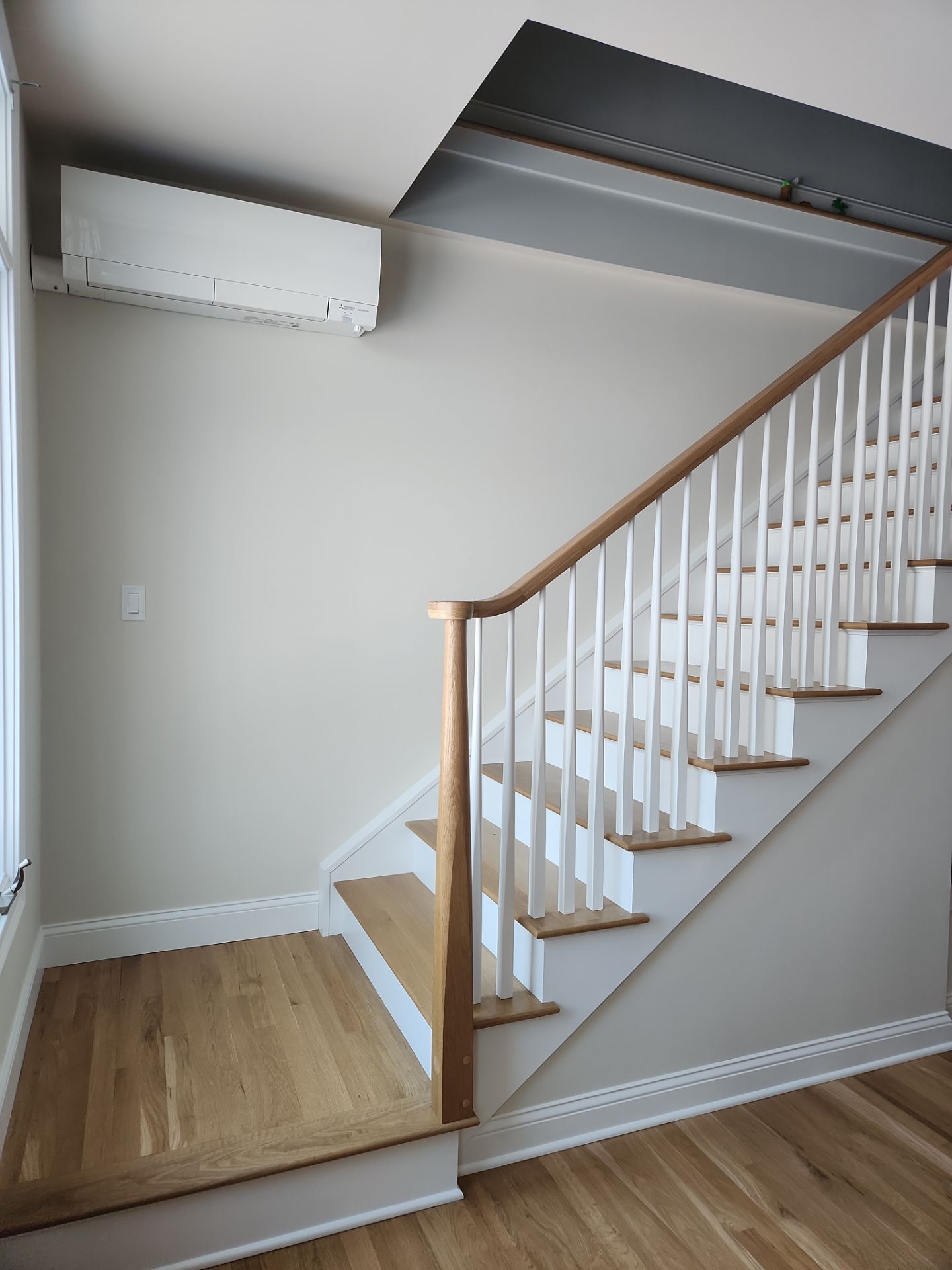
Some jobs are fine for a weekend. Others are not. If your hallway has peeling paint, water stains, or years of patched dings, a DIY coat will not hide the damage for long. Stairwells with tall walls and tight returns also eat weekends fast.
Interior house painters bring ladders, sprayers, and the product knowledge to spec the right sheen and tier for each room in one visit. They can also pull contractor-grade durable interior paint from the supplier that is not always shelved for retail buyers. That access alone can add years to the paint job and cut the repaint cycle from two or three years to five or more. For a busy home, that is real money saved over a decade.
Your Walls Take the Hit. Your Paint Should Fight Back.
Your walls take the hit every day. The paint on them should fight back. You want a finish that shrugs off scuffs and still looks sharp five years from now. The product and prep matter more than the color on the chip. That is what we spec on every project.
Call CYR Painting Service at 207-410-4544. We will walk through each room. We pick the right sheen and tier, and set a repaint cycle that fits your life.